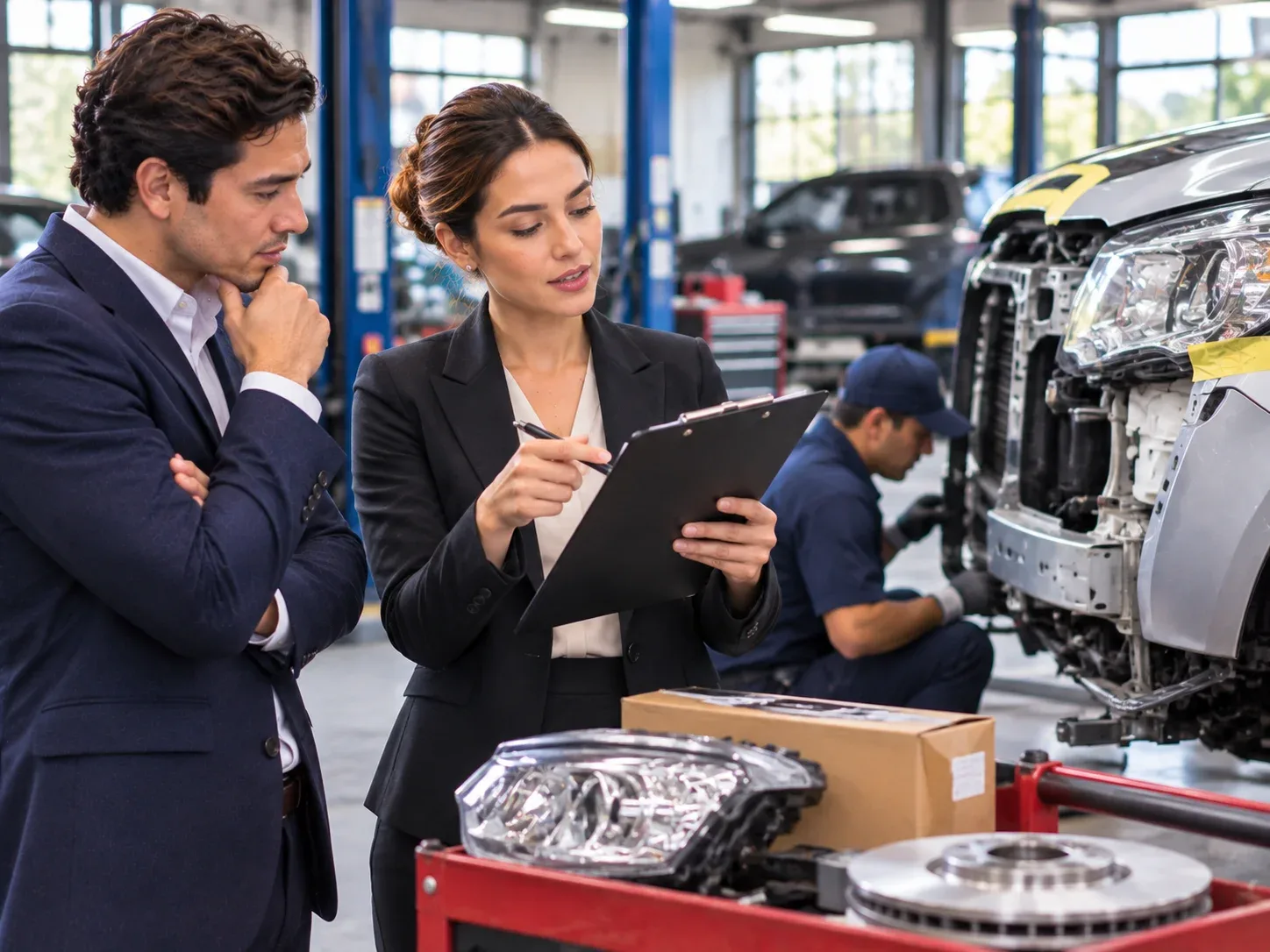
Wheel Alignment After an Accident and What to Ask Your Shop
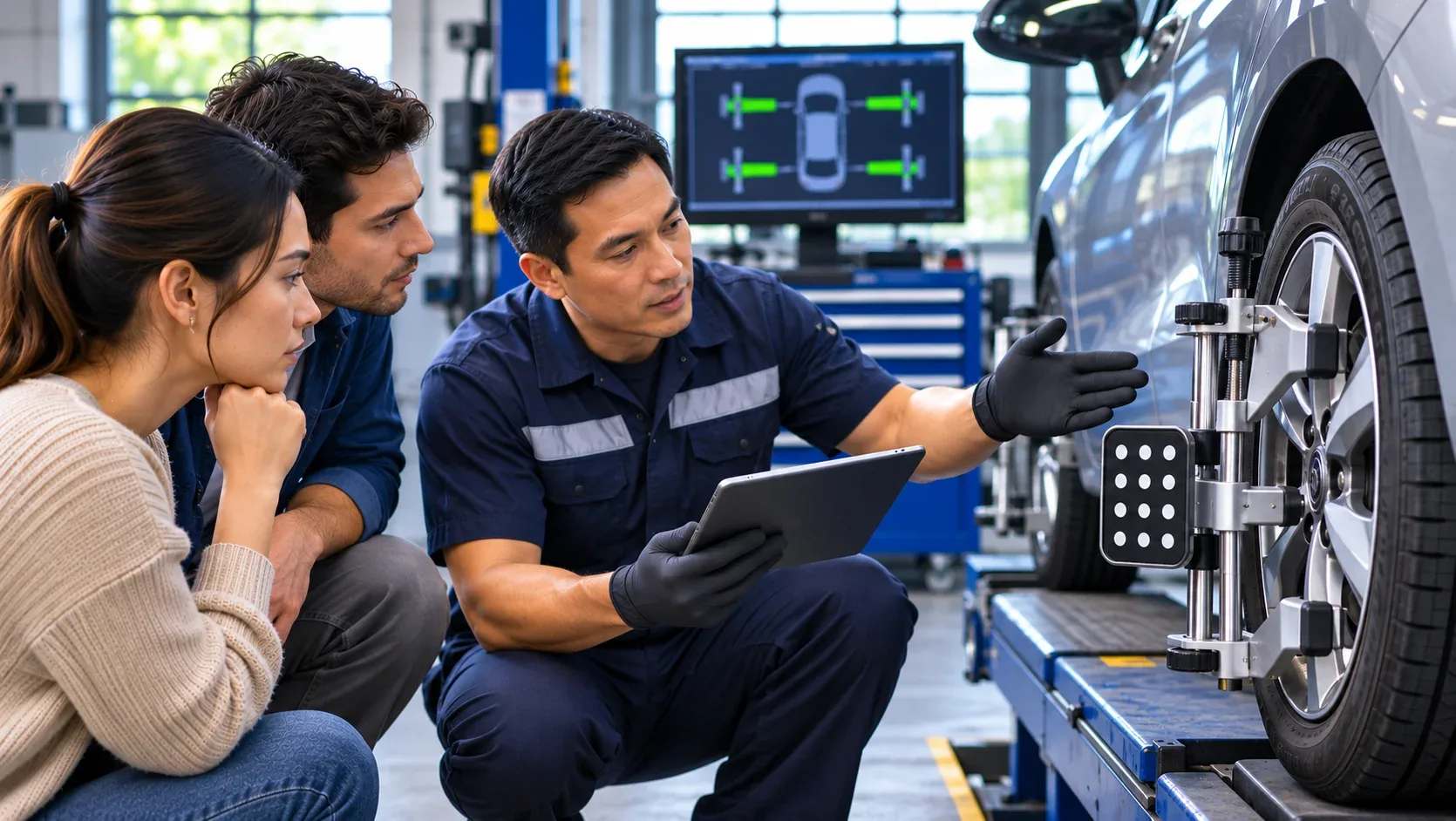
Wheel alignment after an accident may be needed when an impact or repair affects the wheels, steering, suspension, or their mounting points. A qualified shop should assess the damage, follow the vehicle manufacturer’s procedures, and explain the results. Alignment adjustments cannot replace repairs to bent parts or damaged structure.
You do not need to interpret every number on an alignment printout. You do need to understand what the shop inspected, what it corrected, and whether anything remains unresolved.
Collision Assistant helps California drivers connect with appropriate collision repair shops. This guide explains where alignment fits into the collision repair process and which questions can help you review the work.
When Is Wheel Alignment After an Accident Needed?
An alignment check is relevant when the impact or repair may have changed steering or suspension geometry. The damage assessment and applicable manufacturer procedures should determine the work, rather than the size of the dent alone.
I-CAR’s alignment guidance identifies direct wheel or tire impacts, rollovers, changes in wheel position, and damage to steering, suspension, or their mounting locations as conditions that can affect alignment. I-CAR also notes that leaving the road can cause damage that a visual inspection does not immediately reveal.
Tell the shop whether a wheel was struck, the car went over a curb, or the vehicle left the roadway. Describe anything that changed afterward, even if the damaged body panel appears unrelated.
A post-collision alignment check should answer more than whether the steering wheel looks straight. Ask which findings or repair operations prompted the check and whether the plan includes measurements before repairs, after repairs, or both.
What Changes Should You Report?
Report pulling to one side, an off-center steering wheel, vibration, or uneven tire wear. These are reasons to seek inspection, rather than proof that an alignment adjustment will resolve the problem.
Bridgestone’s alignment explanation lists these symptoms as reasons to have alignment checked. Tell the shop when the symptom started and whether it existed before the accident.
Do not conduct your own high-speed test or release the steering wheel to demonstrate a pull. If steering feels unstable, a tire rubs, or a wheel appears displaced, seek professional guidance about moving the vehicle and whether towing is appropriate.
How Do Inspection, Alignment, and Calibration Differ?
Inspection identifies damage, alignment measures and adjusts wheel geometry, and calibration establishes specified electronic system references. Completing one does not establish that the others were unnecessary or completed.
Use these distinctions when discussing the estimate:
|
Item |
What It Addresses |
What to Ask the Shop |
|
Steering and suspension inspection |
Damage or movement in relevant components and mounting areas |
What was inspected, and were damaged parts identified? |
|
Alignment check |
Measured wheel angles compared with applicable specifications |
Which vehicle specifications were used, and can I see the readings? |
|
Alignment adjustment |
Permitted changes to wheel geometry |
What was adjusted, and were the final readings acceptable? |
|
Structural measurement |
Specified reference points on the vehicle’s supporting structure |
Did the damage require this, and what did the measurements show? |
|
Sensor reset or calibration |
Vehicle-specific electronic references or aiming procedures |
Which procedures applied, and what records show completion? |
Alignment and structural measurement answer different questions. Our guide to frame and unibody repair explains why checking wheel angles does not replace measuring damaged structural areas.
Why Must the Shop Address Damage Before Final Alignment?
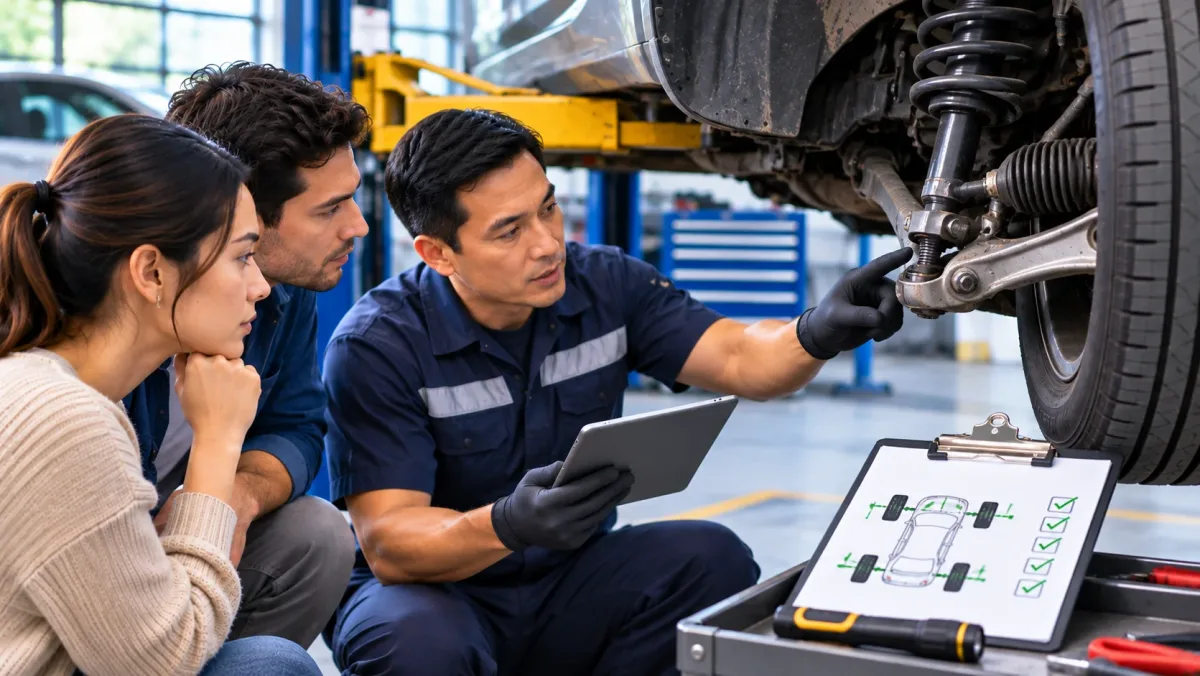
Bent suspension parts or displaced mounting locations can prevent a proper alignment. Adjusting available settings does not repair the underlying damage.
In its guidance on alignment with remaining collision damage, published in October 2019 and validated in 2025, I-CAR warns that a vehicle may fail to align properly or initially appear aligned and later develop abnormal tire wear. The article emphasizes checking suspension and structural damage.
Ask what the suspension inspection after collision found before accepting a recommendation for alignment alone. If structural damage is suspected, ask how the shop will assess the relevant mounting areas.
For wheel alignment after an accident, a useful explanation connects three things: the damage found, the repair performed, and the final verification. A statement that the shop adjusted the wheels leaves the first two questions unanswered.
If the shop finds additional damage, request the findings and revised repair plan. Our article on hidden damage after a car accident explains why an initial estimate may change after further inspection.
How Should You Review an Alignment Report?
Ask the shop to explain the vehicle information, measured angles, applicable specifications, and final results. Treat the report as evidence of the measurements shown, rather than a certificate covering the entire collision repair.
Request the available before-and-after report and review these points with the shop:
-
Vehicle details. Does the report identify your vehicle and the appropriate configuration?
-
Timing. Were the final readings taken after the relevant repair work?
-
Results. Which readings changed, and which remain outside the applicable range?
-
Missing information. Why are any readings absent or marked unavailable?
-
Follow-up. Do unresolved readings or handling symptoms require further diagnosis?
If you request an alignment report after accident repairs, ask for the underlying readings rather than only a verbal statement that the car passed.
What Do Camber, Caster, and Toe Mean?
Camber, caster, and toe describe different aspects of wheel and steering geometry. Their acceptable values depend on the vehicle specifications.
-
Camber describes the wheel’s inward or outward tilt when viewed from the front.
-
Caster describes the steering axis tilt when viewed from the side.
-
Toe describes whether the wheels point inward or outward when viewed from above.
Bridgestone explains these terms in its alignment guide. Ask the technician which readings matter for your repair and whether the vehicle allows adjustment of an out-of-range angle.
Does a Green Result Prove the Whole Repair Is Correct?
No. A displayed result addresses the measured angle and the specification selected for that measurement. It does not document every component inspection, structural repair, or electronic procedure.
Ask the shop to connect the report with the rest of the repair records. If the vehicle still pulls or the steering wheel remains off-center, report that concern even if the printout appears acceptable.
Can Alignment Require Sensor Resets or ADAS Calibration?
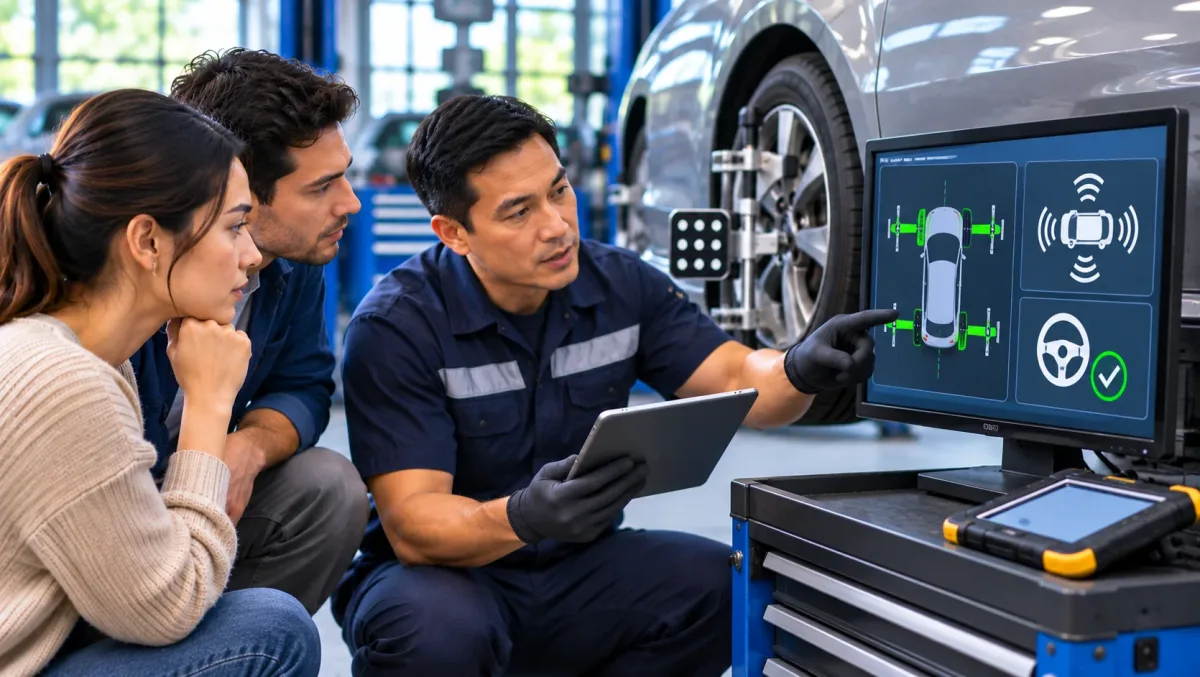
Yes, depending on the vehicle and procedures. Wheel alignment can be connected to steering angle sensor work and calibration of advanced driver assistance systems, known as ADAS.
I-CAR’s guidance on alignment and ADAS, published in August 2018 and validated in 2025, explains that some manufacturers require calibration following alignment or require alignment as part of calibration. The vehicle’s current repair information determines the applicable steps.
Ask whether the work requires a steering angle sensor reset, camera or radar calibration, or other verification. Request the related completion records separately from the alignment printout.
Manufacturer procedures can also distinguish routine service checks from collision damage assessment. Tesla’s 2020–2024 Model Y suspension alignment instructions include a September 2025 note that its electronic power-assisted steering alignment check should not be used to check for collision-related suspension damage. This is a model-specific example, not a rule for every vehicle.
Our guide to ADAS calibration after a collision covers the separate calibration questions in more detail.
What Should California Drivers Confirm Before Authorizing Work?
Confirm the proposed inspection, adjustment, related repairs, and expected charges before authorizing work. Ask whether alignment or calibration will be performed by the collision shop or another provider.
The California Bureau of Automotive Repair’s consumer guidance explains that shops must provide an estimate and obtain authorization before repairs. Additional repairs require your authorization, and completed work must be documented on a final invoice.
For outside work, BAR’s Write It Right guide states that sublet repairs require customer consent and disclosure with the estimate. The repair dealer remains responsible for that work, and must disclose the outside facility’s name and location if you request them.
Collision Assistant can connect you with a collision shop matched to your vehicle and damage. Ask the shop directly how it handles collision-related suspension assessment, alignment, and any required calibration.
Before pickup, request the final invoice, alignment results, and applicable calibration records. Use our post-repair inspection checklist for the broader review of the completed repair.
Get Clear Answers Before Pickup
Wheel alignment after an accident should be supported by a damage assessment, the applicable repair procedures, and an explanation of the final results. Ask what was inspected, what was repaired, and which records you will receive.
If you need help finding a collision repair shop in California, request a body shop recommendation from Collision Assistant. Our referral and check-ins are free for drivers. Vehicle repairs and outside service charges are separate, and you choose where your car is repaired.