Electric Vehicle Collision Repair and How to Choose the Right Shop
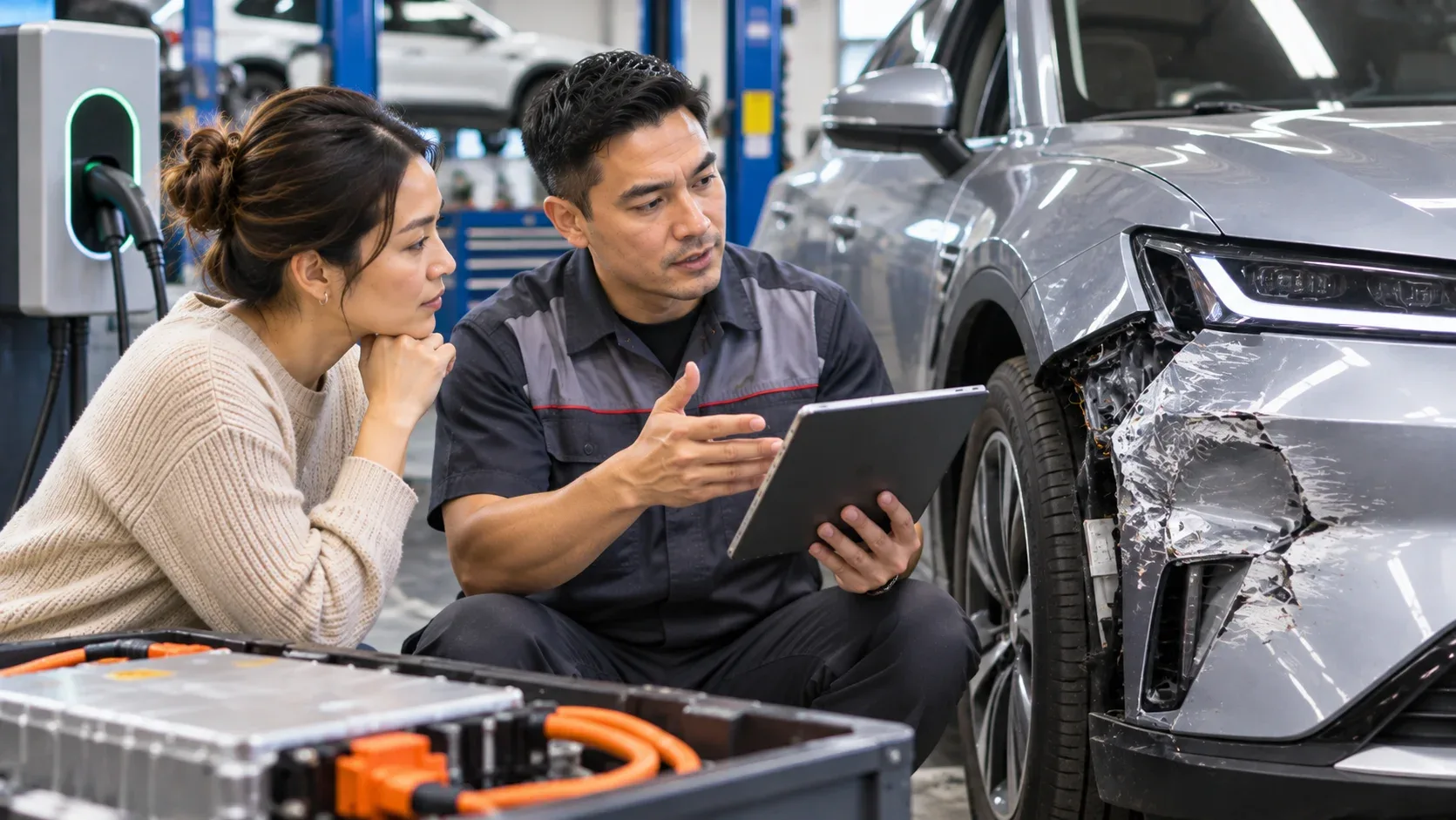
Electric vehicle collision repair restores crash-damaged bodywork and affected vehicle systems using procedures specific to the model. The repair plan may include high-voltage precautions, battery assessment, structural work, diagnostics, and calibration. Choose a shop that can explain its relevant training, equipment, manufacturer procedures, and completion records before you authorize repairs.
The useful question is whether a facility can handle your vehicle and the work it needs. An EV logo on a website does not explain who will inspect the battery, which operations the shop can perform, or what it will send elsewhere.
Collision Assistant connects California drivers with vetted collision repair shops. This guide helps you evaluate an EV repair recommendation within the wider collision repair process.
What Should You Verify Before Choosing an EV Body Shop?
Check the shop’s registration, relevant manufacturer status, technician qualifications, and ability to complete the proposed work. Ask for explanations tied to your model rather than accepting a general statement that the shop repairs electric cars.
Use these separate checks when comparing facilities.
|
Check |
What It Helps Establish |
What to Ask |
|
BAR registration |
The business’s California repair registration status |
Is the registration active, and is there disciplinary history? |
|
Manufacturer approval |
Participation in a particular manufacturer’s repair program |
Is this location currently approved for my vehicle? |
|
Technician preparation |
Relevant training for the people assigned to the work |
Who handles high-voltage assessment and the proposed repairs? |
|
Equipment and information |
Access to the tools and procedures the job requires |
Can you perform the listed operations for this model? |
|
Outside services |
Which work another facility will perform |
Who will assess the battery, scan, or calibrate the vehicle? |
|
Completion records |
How the shop will explain the finished work |
Which inspection findings and reports will I receive? |
The California Bureau of Automotive Repair, or BAR, recommends checking a shop’s license status and disciplinary history. Registration is a starting point. Ask separately about capabilities for the EV work being proposed.
Manufacturer approval also has a specific scope. Tesla describes its Approved Body Shops as factory trained and equipped to repair Tesla vehicles to its specifications. That status concerns Tesla’s program and should not be treated as approval for every EV brand.
When choosing an EV body shop, confirm the actual location and applicable manufacturer program. Ask the facility to explain how its credentials relate to the repair on your estimate.
How Is Electric Vehicle Collision Repair Different?
EV collision repair combines body repairs with precautions and procedures for high-voltage systems and other affected equipment. The required steps depend on the vehicle, damage, and repair operations.
I-CAR’s high-voltage safety guidance explains that EV repair involves specific intake, safety, and repair procedures. Manufacturer requirements may include high-voltage disablement and battery assessment, and certification requirements vary by manufacturer.
That does not mean every dent requires the same electrical work. It means the estimator should identify which procedures apply before treating the job as ordinary panel repair.
For electric car body repair, ask how the shop will determine:
-
Whether the impact requires battery or high-voltage system assessment.
-
Which precautions apply before disassembly and repair.
-
Which structural, panel, or joining methods the manufacturer permits.
-
Which electronic checks the completed operations require.
You do not need to select tools or direct the technician. Ask the shop to connect the proposed operations to the applicable instructions.
What Should You Do Before the Vehicle Reaches the Shop?
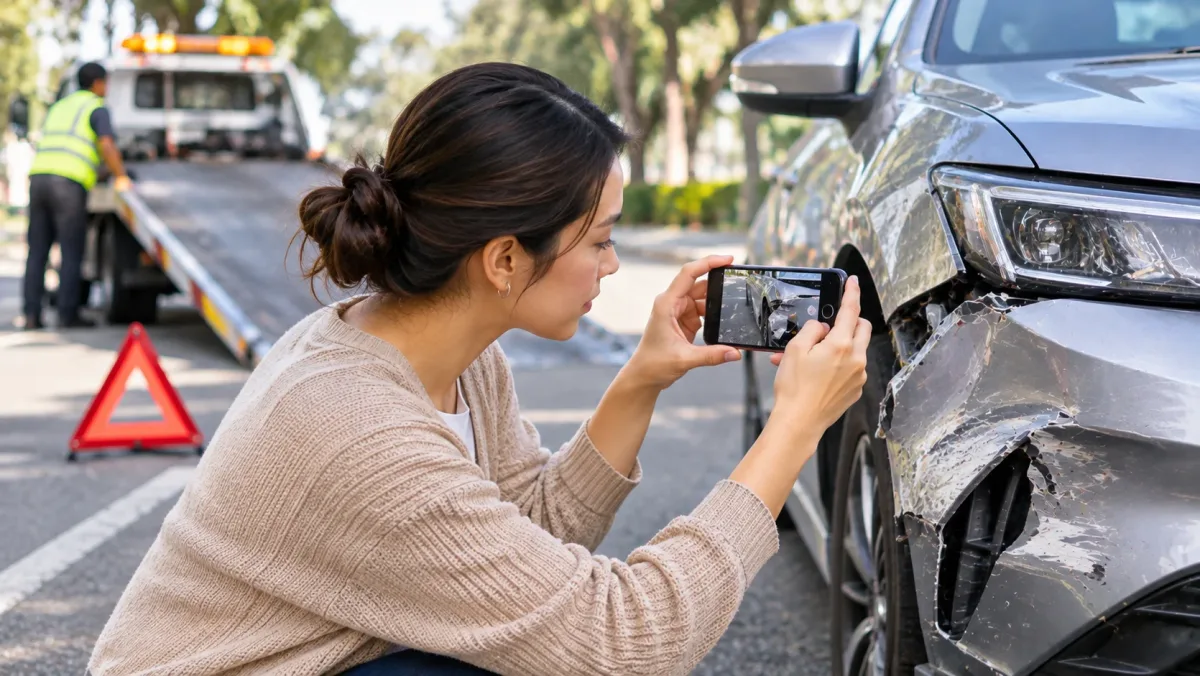
Tell the towing provider and receiving facility that the vehicle is electric, identify the model, and explain the impact and any warning messages. Let qualified personnel determine the appropriate handling.
The National Highway Traffic Safety Administration, or NHTSA, warns that damaged high-voltage components should be assumed energized. Physical damage can cause immediate or delayed hazardous gas release and fire. If a fire or other emergency occurs, call 911 and keep away from the vehicle.
Do not touch exposed electrical components or attempt to disconnect the high-voltage system yourself. Contact the dealer for guidance about a damaged EV, including whether it should be moved or charged.
Towing instructions also matter. NHTSA explains that towing an EV on its drive axle can damage it and directs owners to the vehicle manual.
For the professionals handling the vehicle, NHTSA’s emergency response guide directory provides manufacturer-specific information about towing, storage, fire, and other emergency conditions. Those guides support responder handling and do not replace collision repair procedures.
Does an Accident Automatically Mean Battery Replacement?
Do not infer the battery decision from the accident label or the appearance of an outer panel. Ask the shop to explain its inspection findings and the manufacturer’s criteria for the affected battery assembly.
A useful battery assessment discussion identifies what was inspected, what remains uncertain, and which findings support the recommendation.
Hyundai’s March 29, 2024 position statement on high-voltage battery damage, for example, recommends replacing the battery system assembly with a new or refurbished assembly when it has sustained the damage described in that statement, including damage to associated lower-cover parts. Hyundai also recommends early inspection and analysis because the result can significantly affect the repair estimate.
That is Hyundai guidance with stated conditions. It is not a rule requiring battery replacement after every EV collision.
Hypothetical example: An estimate lists a damaged lower battery cover. Ask which assembly the part belongs to, what the inspection found, and which current manufacturer procedure determines the repair or replacement recommendation.
For electric vehicle collision repair, “battery checked” is too vague to explain a major decision. Request the findings and an explanation of their limits.
Our guide to hidden damage after a car accident explains why a repair plan may change after further inspection.
Can Paint and Body Procedures Affect the Repair Plan?
Yes. Manufacturer instructions can place conditions on refinishing and other body operations involving an EV. The shop should account for those conditions in its work plan.
Tesla’s 2021 and later Model S post-repair instructions permit paint-booth baking with the high-voltage battery installed only within specified time and temperature conditions. The instructions also address precautions when thermal-system repairs remain incomplete.
This example shows why paintwork still needs vehicle-specific planning. It does not establish one temperature limit or battery-removal requirement for every electric car.
Ask the estimator whether refinishing or structural work adds protective steps, component removal, or outside services. The explanation should follow your model’s current procedures.
Are Scanning, Battery Assessment, and Calibration the Same?
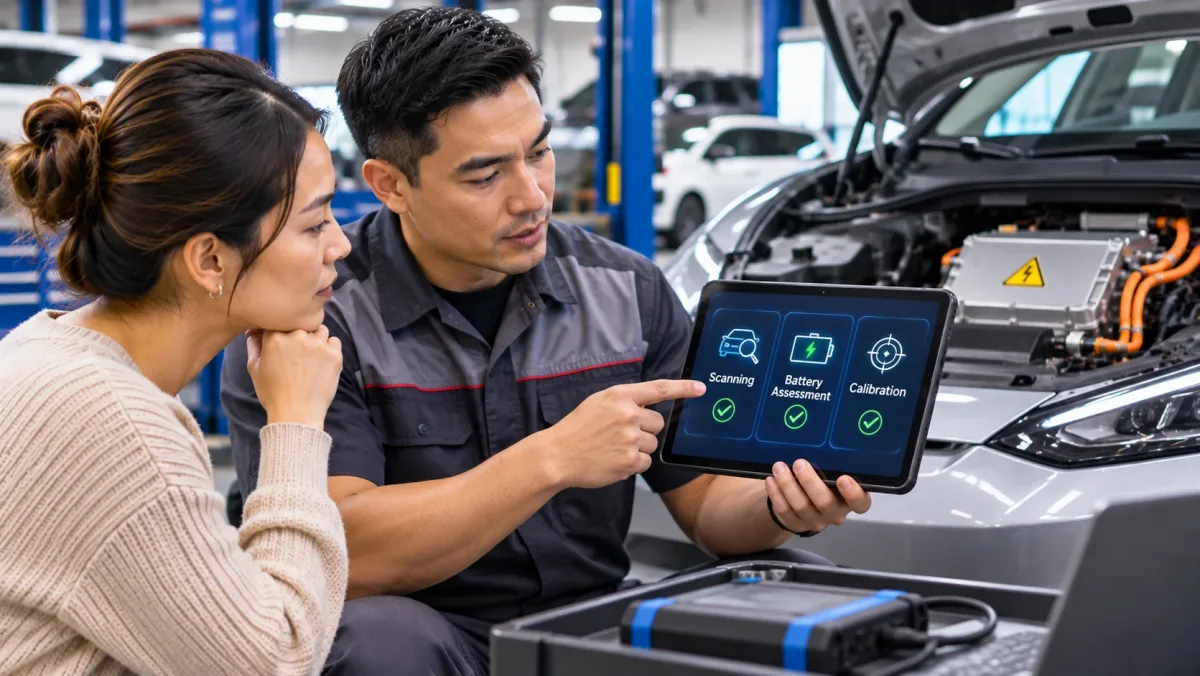
No. Scanning retrieves electronic diagnostic information, battery assessment evaluates the battery under applicable procedures, and calibration establishes specified system settings or references. Completing one does not document the other two.
I-CAR’s explanation of scanning and calibration, published in May 2018 and validated in 2025, distinguishes identifying diagnostic trouble codes from calibration or initialization after relevant component work.
Manufacturer requirements can be specific. Rivian’s April 28, 2026 position statement requires pre- and post-repair scans using the Rivian Diagnostic Engine and requires scans and calibrations to be performed by Rivian Certified Technicians. It also notes that some problems may not appear as dashboard warnings.
Ask your EV collision repair shop which requirements apply to your vehicle. A clear dashboard does not explain whether the prescribed work was completed.
For the separate questions about cameras, radar, and related systems, see our guide to ADAS calibration after a collision.
What Should California Drivers Approve Before Repairs Begin?
Approve an explained estimate covering the proposed work, and clarify what further inspection could change. Your repair authorization and the insurer’s coverage or payment decision are separate matters.
BAR’s consumer guidance explains that a shop must provide an estimate, obtain repair authorization, and obtain approval for additional repairs. A final invoice must document the completed work.
Before authorizing electric vehicle collision repair:
-
Confirm what the initial inspection covers and what remains unknown.
-
Ask which battery, electrical, structural, and electronic operations are included.
-
Identify work that will go to another business.
-
Discuss how new findings and added charges will be explained and approved.
-
Confirm which records you will receive at completion.
BAR’s Write It Right guide, updated January 2026, explains that sublet work requires customer consent and disclosure with the estimate. The repair dealer remains responsible for that work.
Collision Assistant can help arrange an estimate with a vetted California shop matched to your vehicle and damage. Ask the shop directly to explain its EV capabilities and any outside providers. The repair facility performs the work, while insurers determine coverage and payment.
Which Records Should You Request Before Pickup?
Request the final invoice and the available records supporting the inspections, repairs, and completion procedures. Ask the shop to connect its original findings with what it actually completed.
Useful documents to discuss include:
-
The itemized final invoice and approved estimate changes.
-
Battery assessment findings, when applicable.
-
Relevant photographs and structural measurement results.
-
Required diagnostic scan reports.
-
Applicable calibration or initialization records.
-
Identification of replacement parts and outside work.
-
Written warranty terms and follow-up instructions.
Ask what each report establishes. A diagnostic scan does not document every physical inspection, and a successful calibration does not explain the condition of an impacted battery enclosure.
Use our post-repair inspection checklist for the wider pickup review. Have the shop explain any unresolved warning message or concern before accepting the vehicle as complete.
Choose a Shop That Can Explain the Complete Job
Electric vehicle collision repair should come with a clear explanation of the vehicle-specific precautions, damage findings, proposed work, and completion checks. Use those details to compare facilities before authorizing repairs.
If you need help finding a suitable California facility, request a body shop recommendation from Collision Assistant. We match drivers with vetted shops and help arrange the estimate. Our referral and check-ins are free for drivers. Vehicle repairs and outside charges are separate, and you retain the choice of shop.