How to Prepare Your Car for Body Shop Repairs in California
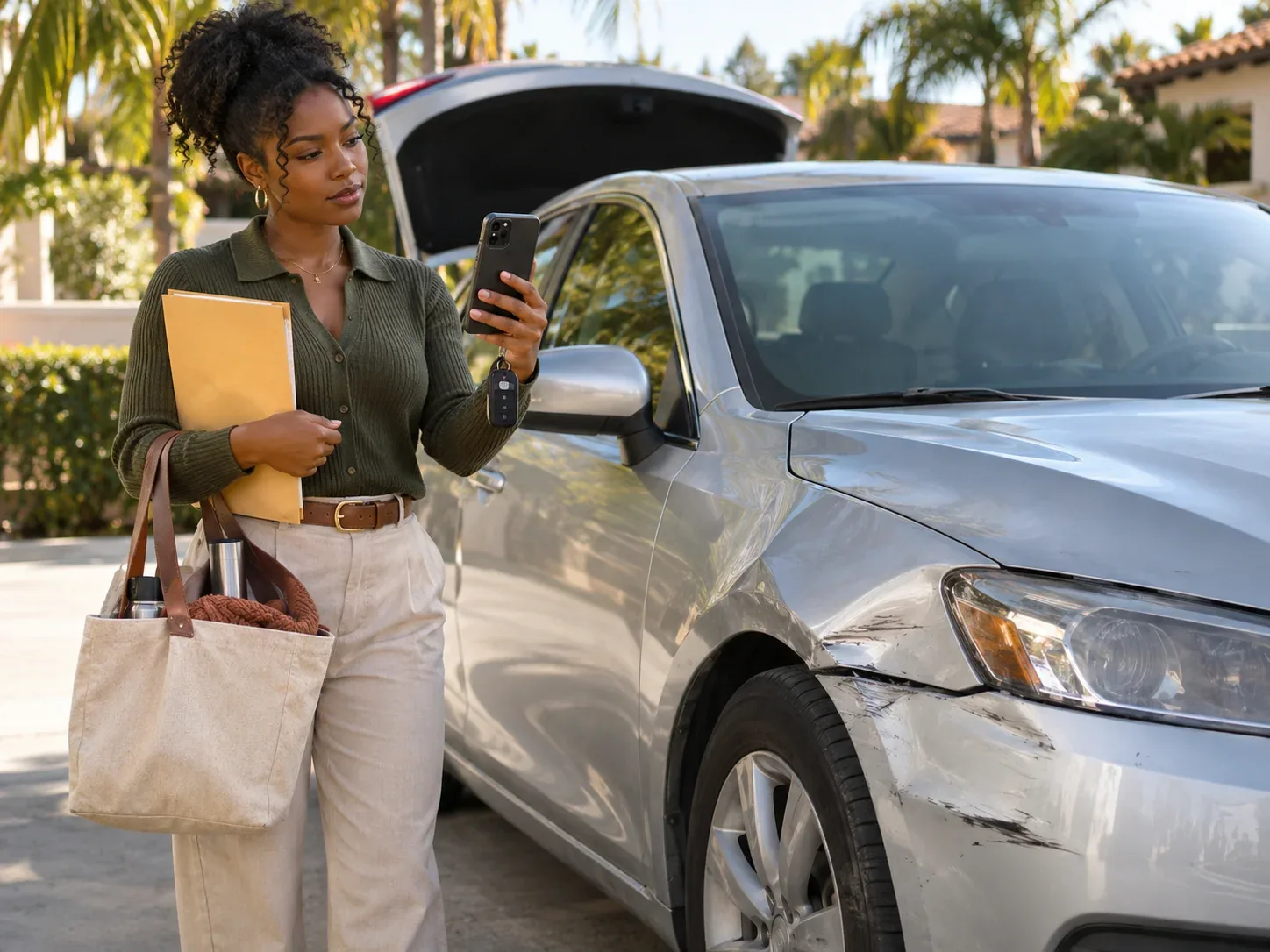
If you’re wondering how to prepare your car for body shop, clear your belongings, photograph the vehicle’s condition, and gather the keys, estimate, and claim details. Before handing over the car, confirm whether the visit is for an estimate, diagnostic teardown, or repairs, and ask who will contact you if the scope or cost changes.
Drop-off goes more smoothly when the shop knows what changed after the crash and you know what the shop plans to do first. Collision Assistant connects California drivers with vetted collision repair shops. This guide covers the handoff stage of the collision repair process.
How to Prepare Your Car for Body Shop Repairs Before Drop-Off
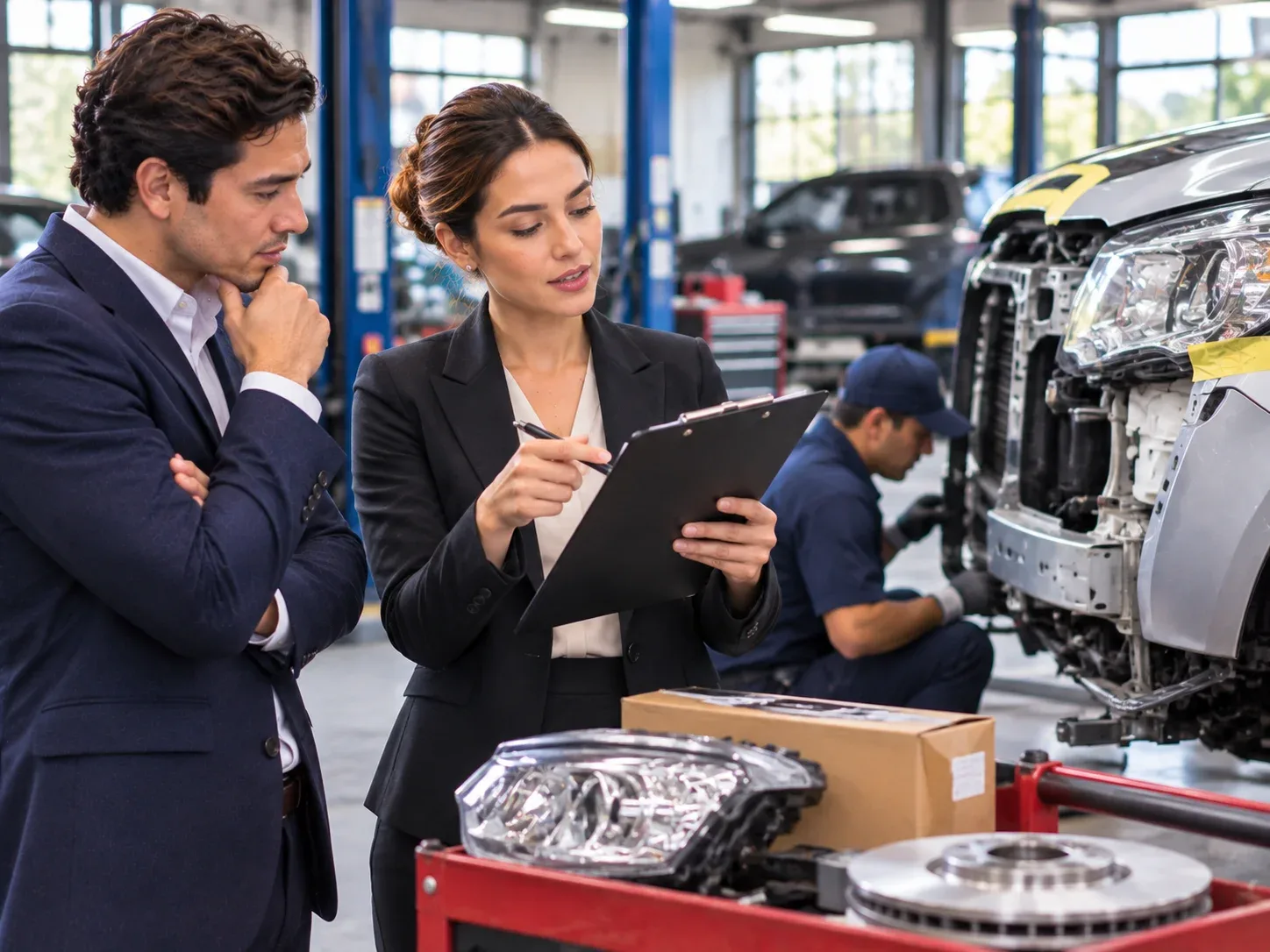
Start with a call to the shop. Confirm when and where the car will arrive, whether you’ll leave it there, and what the shop needs to begin the appointment. An estimate visit may end with a written quote and a later date for repairs.
Use this body shop drop-off checklist to prepare for the handoff.
|
When |
What to Do |
|
When booking |
Confirm whether the visit is for an estimate, teardown, or repairs. Ask about tow-in and after-hours instructions if needed. |
|
Before leaving home |
Remove personal items, take condition photos if accessible, and gather requested keys and documents. |
|
At the counter |
Walk through the damage and symptoms with the estimator. Check the scope and cost of the work you’re authorizing. |
|
Before you leave |
Save the paperwork, confirm your contact details, and ask when to expect the next update. |
If you still need a shop, Collision Assistant can match your vehicle and damage with a vetted California facility and help set up the estimate. Confirm drop-off instructions directly with the facility.
What Should You Take Out of the Car?
Clear the cabin, trunk, and cargo area of personal items. Check the glove box, door pockets, center console, and the storage area under the cargo floor if you can reach it safely.
Take out valuables, medication, work equipment, parking passes, toll tags, and garage remotes. Remove any child car seat. If it was in the crash, check the seat manufacturer’s instructions and NHTSA’s guidance on car seat use after a crash before using it again.
Ask the shop what to do with installed accessories such as a dashcam, bike rack, or aftermarket alarm. If damage prevents you from opening a door or the trunk, tell the shop which items you need to retrieve and ask for help. For an example of shop-specific instructions, see Caliber Collision’s appointment guide.
What Should You Bring to a Body Shop?
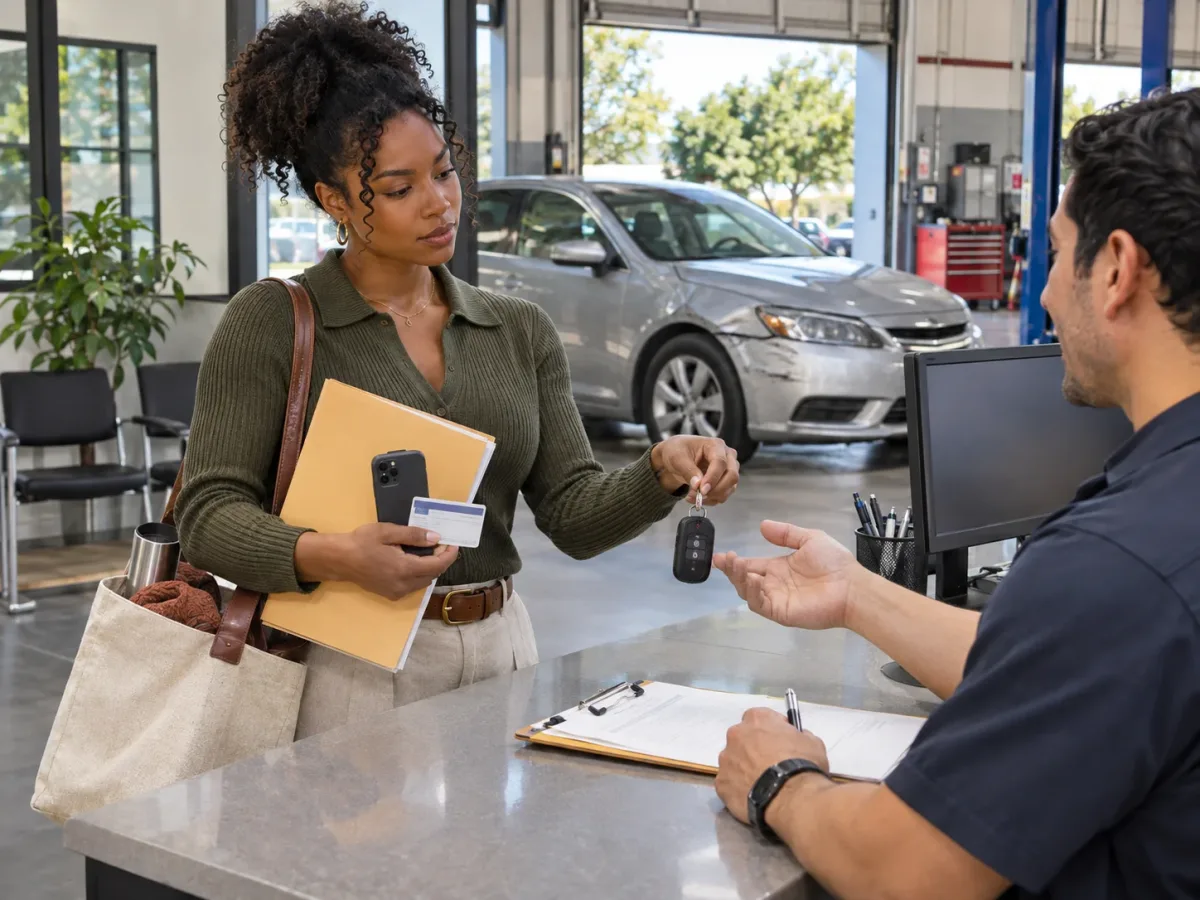
Bring the key or fob the shop requests, the estimates you already have, and the insurer’s claim number and adjuster contact details if a claim is open. Ask the shop ahead of time which other items it needs for your vehicle.
-
Vehicle access. Bring a physical key, fob, or key card as requested. If you normally use a phone key, ask how the shop wants to receive access.
-
Wheel-lock key. If the car has locking lug nuts and the shop may need to remove a wheel, bring the matching socket and tell the estimator where it is.
-
Repair and claim documents. Bring the insurer’s estimate and any separate shop estimate. Ask whether the shop also needs your registration or insurance card.
-
Damage notes. Have your photos and a short list of symptoms ready to show the estimator. Include pre-existing issues that may affect how the vehicle is checked.
If you’re paying yourself, bring any estimate you already have and ask the shop how it handles payment. If someone else will bring the car, confirm who should be available to review the estimate and give authorization.
What Should You Record About the Vehicle’s Condition?
Photograph the vehicle as it looks before the handoff, if you can do so safely. Take wide photos of each accessible side, close-ups of the damage, and photos of any existing scratches near the repair area. Keep the original files and note the mileage if you can read it.
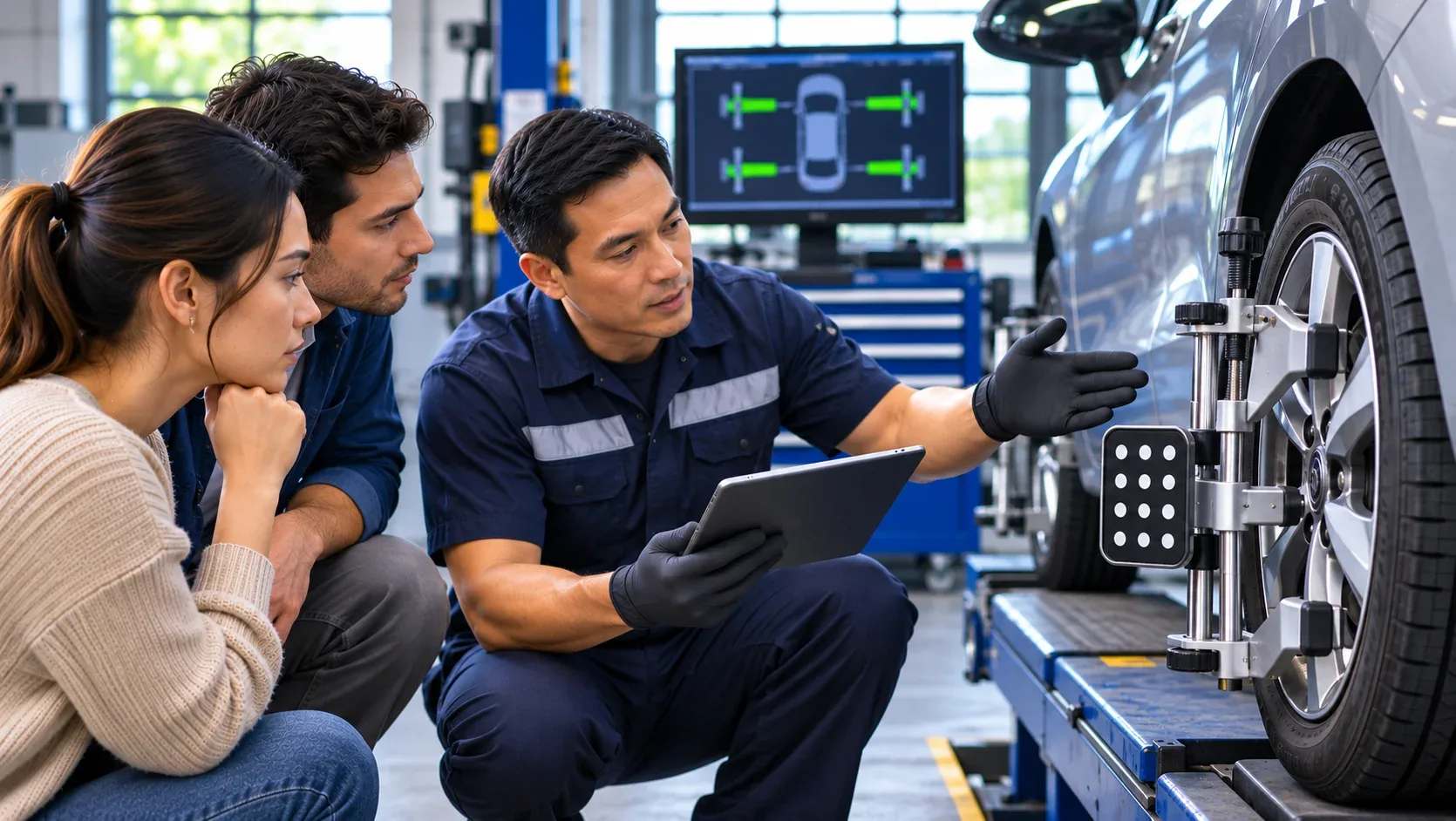
When preparing for collision repair, write down what you actually noticed. “The steering wheel sat off-center on the drive home” gives the estimator more to work with than “I think the alignment is bad.” Report new warning messages, leaks, noises, or doors that no longer latch normally. Ask the shop to record those concerns and mention anything that was present before the crash.
If you’re unsure whether the car should be driven, describe its condition to the shop and ask about towing. Arrange transport before the appointment if the car cannot be driven safely.
What Are You Authorizing at Drop-Off?
Ask which specific job the shop is asking you to approve. In California, the shop must obtain and record your authorization before beginning repairs. Authorization can be written, oral, or electronic. Request a copy of the estimate and keep any approval you give by text or email. California Bureau of Automotive Repair’s Write It Right guide.
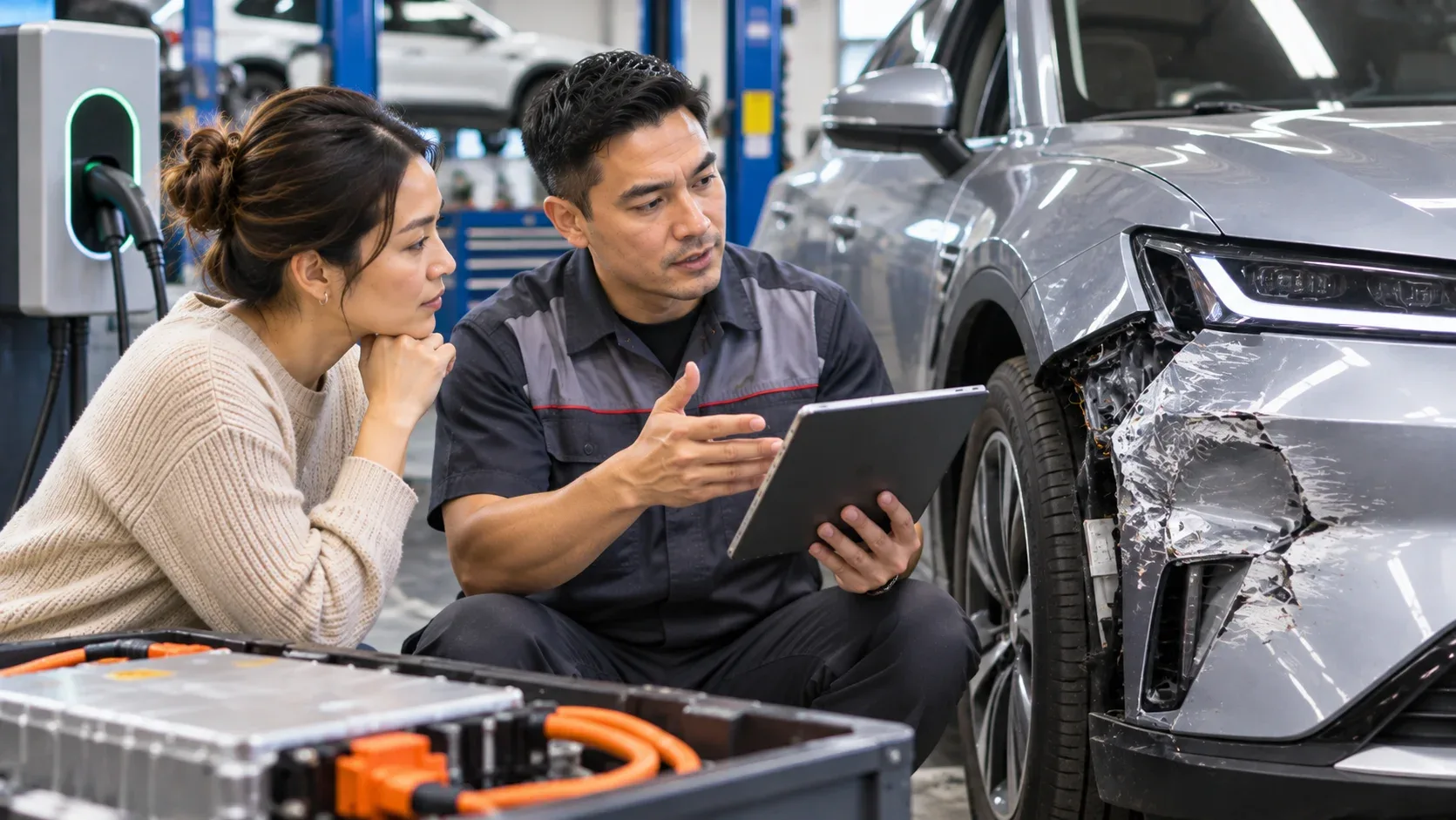
If the shop needs to remove parts to assess damage, ask for the teardown estimate before approving disassembly. California’s disclosure rules, updated effective July 1, 2025, require the estimate to describe the area to be disassembled and disclose teardown and reassembly costs and the maximum reassembly time if you decline repairs. Ask whether disassembly could prevent the vehicle from being restored to its prior condition. After teardown, the shop must provide an itemized repair estimate and get authorization to repair or reassemble. BAR’s teardown disclosure guidance.
Hypothetical example. You leave the car for an assessment of rear bumper damage. The shop asks to remove the bumper cover to inspect the area behind it. Review the teardown estimate before approving that step. If the shop finds a damaged bracket, ask for the new findings, the proposed work, and the revised total before authorizing repairs.
If the shop is accepting payment from an insurer, check the estimate for the insurer’s payment amount. When that amount is unknown, California requires the estimate to tell you to confirm payment with the insurer. Ask about any amount you may owe before approving the work. Our guide to reading a collision repair estimate explains what to compare when the scope changes.
What Should You Confirm Before Leaving the Shop?
Leave with a copy of the paperwork, a contact person, and a clear next step. Ask when you’ll hear from the shop again and how it will reach you if further inspection changes the plan.
-
Contact. Confirm the phone number or email the shop will use for updates and approvals.
-
Schedule. Ask whether the next update will follow an inspection, parts confirmation, or an insurer response. Use that milestone to plan transportation.
-
Rental. If you plan to use rental reimbursement under your own policy, confirm the start date, daily limit, and end date with the insurer before booking. California Department of Insurance rental guidance.
-
Records. Keep the estimate, intake photos, and later approvals in one place. At pickup, use them alongside our post-repair inspection checklist to review the finished work.
Make the Handoff Clear Before You Leave
If you’re deciding how to prepare your car for body shop repairs, start by calling the shop to confirm what the appointment includes. Have your keys, photos, and paperwork ready for that handoff.
If you still need a California shop, request a free body shop recommendation from Collision Assistant. We can help set up the estimate, and you choose where to have the car repaired. The referral is free. Repair and outside charges are separate.