Hidden Damage After Car Accident: Signs and Next Steps
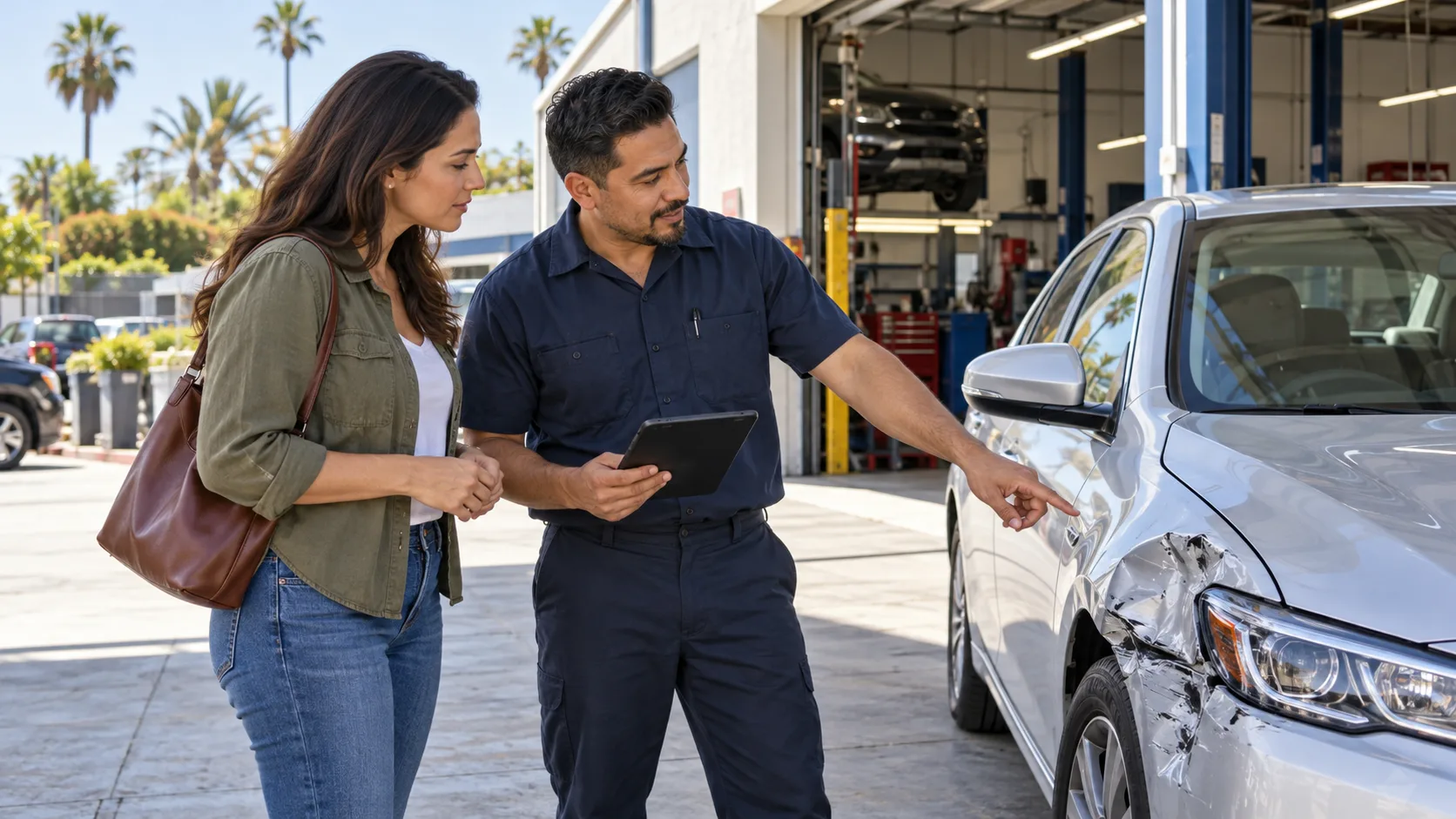
Hidden damage after a car accident is damage behind the bumper, panels or trim that a quick look cannot see, such as cracked reinforcements, bent brackets, damaged sensors or suspension parts. The common signs are a pull to one side, an off-center steering wheel, new warning lights, poor panel fit, leaks and new noises. The next step is a teardown inspection at a registered shop and a supplement to the insurer for anything new it finds.
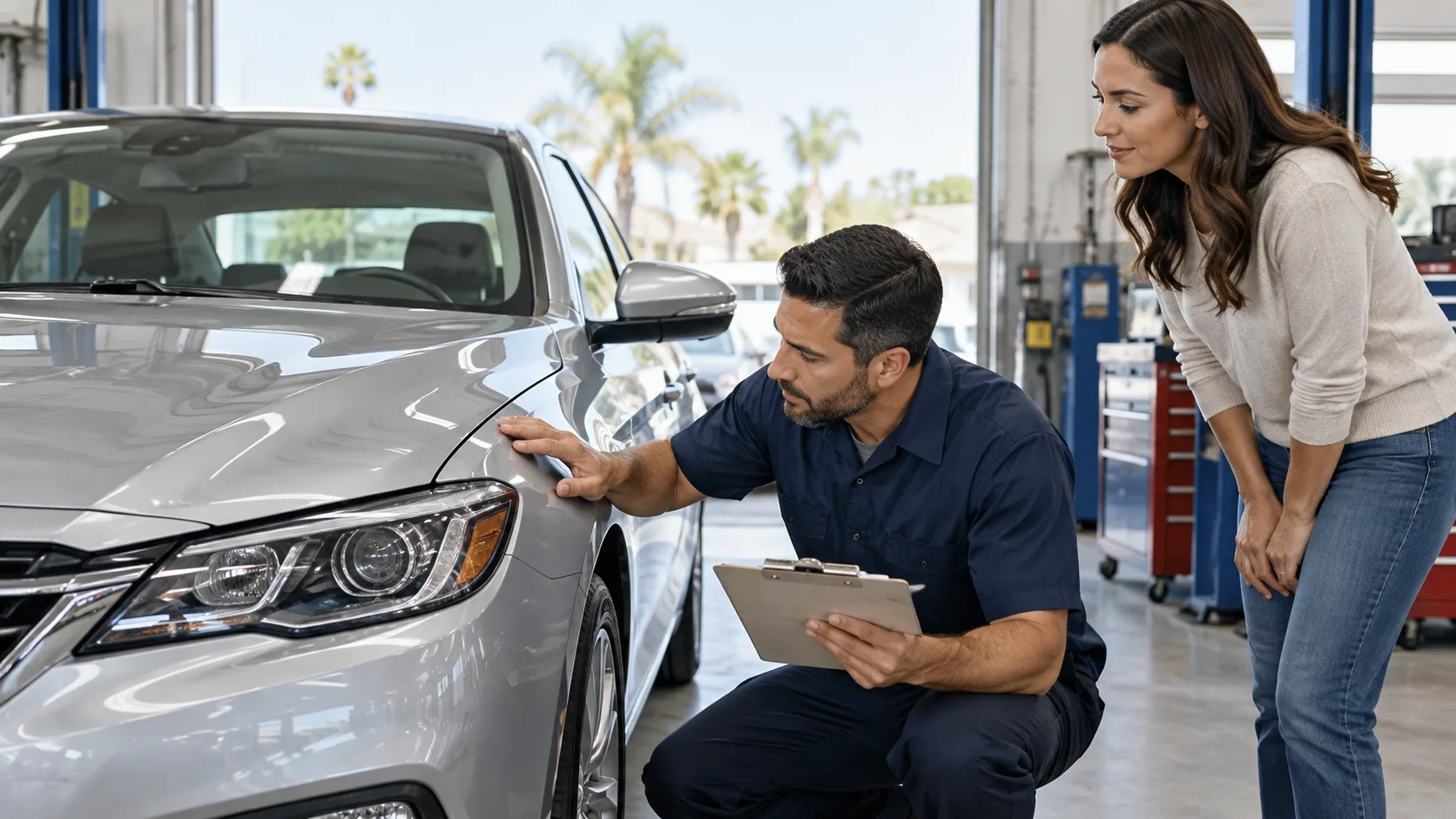
A minor-looking hit can still bend parts you will never see from the curb. If your car drives differently after a crash, or the first estimate looked too small, this guide covers what to watch for, how California shops find hidden damage, and how it gets added to the claim.
Collision Assistant follows hidden damage claims from the shop floor. We place California drivers with vetted, BAR-registered shops for free and track each supplement until the insurer answers. Many drivers call us after treating the first estimate as final, so this guide focuses on teardown and supplements.
Key takeaways
- Hidden damage after a car accident is often found only at teardown, when the shop removes the bumper cover, panels or trim to look behind them.
- Under 16 CCR 3353(c), a California shop must give you a teardown estimate with the teardown cost, reassembly cost and the longest time to reassemble the car if you stop.
- Hidden damage found at teardown goes to the paying insurer as a supplement, and the shop needs your consent before charging more than the approved estimate (B&P 9884.9).
- On a first-party claim, the insurer has six business days after a supplement request to ask to inspect the car, if it chooses to inspect (10 CCR 2695.8(e)(4)(B)).
What are the signs of hidden damage after a car accident?
The signs of hidden damage after a car accident are changes in how the car drives, looks or sounds compared with before the crash. Any one of these signs is a reason to have a registered shop inspect the car before you accept a final estimate.
| Sign you notice | What may be damaged | What to do |
|---|---|---|
| Car pulls to one side or the steering wheel is off-center | Suspension, steering parts, wheel alignment or the frame | Ask for a suspension check and alignment readings |
| New vibration or uneven tire wear | Wheels, tires, axles or suspension mounts | Photograph the tires and note when the vibration started |
| Doors, hood or trunk do not close or line up | Hinges, latch supports or the body structure | Ask the shop to measure the structure |
| New warning lights or driver-assist alerts | Sensors, cameras, radar, wiring or modules | Photograph the dash and ask for a diagnostic scan |
| Leaks or new smells under the car | Radiator, condenser, lines or the oil pan | Do not drive it; arrange a tow |
| Rattles or clunks over bumps | Loose brackets, broken clips or damaged mounts | Describe when and where the noise happens |
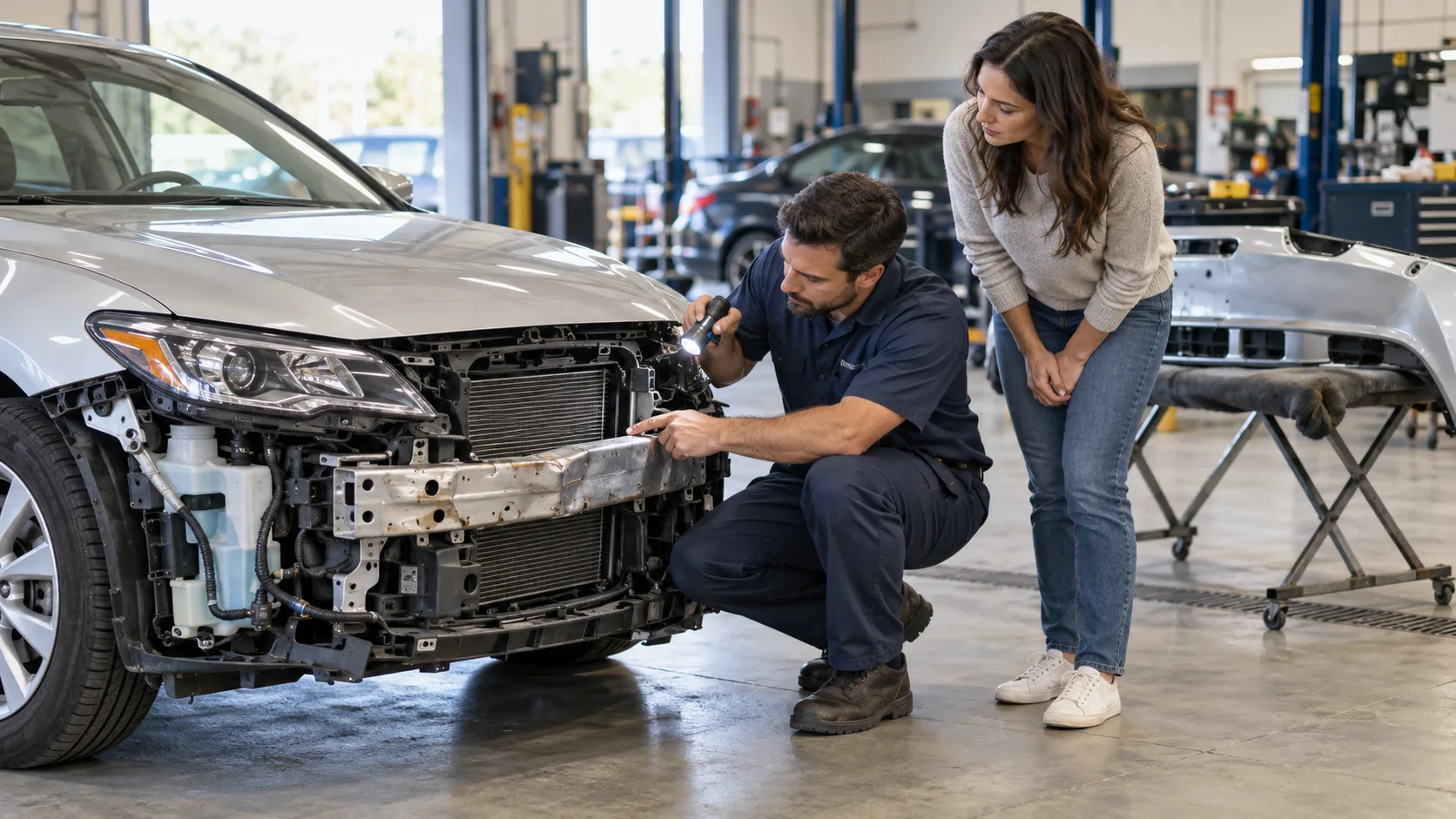
Modern bumpers hide a lot. Behind a plastic bumper cover there is usually an energy absorber, a metal reinforcement bar, brackets and, on many newer cars, parking or radar sensors. A cover can bounce back into shape while the parts behind it are cracked or bent.
Why is some collision damage hidden at first?
Collision damage is often hidden because outer panels flex and return to shape while the force of the crash travels into the parts behind them. Bumper reinforcements, mounting brackets, radiator supports, wiring and sensor mounts can all take the hit without any mark on the paint.
A first estimate is often written before anything comes apart, so it can only price the damage the estimator can see. California law expects the price to change in that case and controls how: the shop needs your consent before charging more. Our guide on how to read a collision repair estimate explains each line of that first estimate.
How do shops find hidden damage at teardown?
Shops find hidden damage at teardown by removing the damaged outer parts and inspecting what is behind them. A thorough teardown often includes a diagnostic scan for stored fault codes, structural measurements compared with the maker's specifications, and a check of suspension, cooling and sensor parts in the impact area.
California sets rules for teardown in BAR's estimate regulation, in the version operative July 1, 2025. Under 16 CCR 3353(c), before tearing a car down, the shop must give you an estimate that lists the teardown cost, the parts or areas to be taken apart, the cost to reassemble them, the cost of parts normally destroyed in teardown, and the longest time the shop will take to reassemble the car if you decline the repair. After teardown, the shop must give you an itemized estimate and get your approval to repair or reassemble.
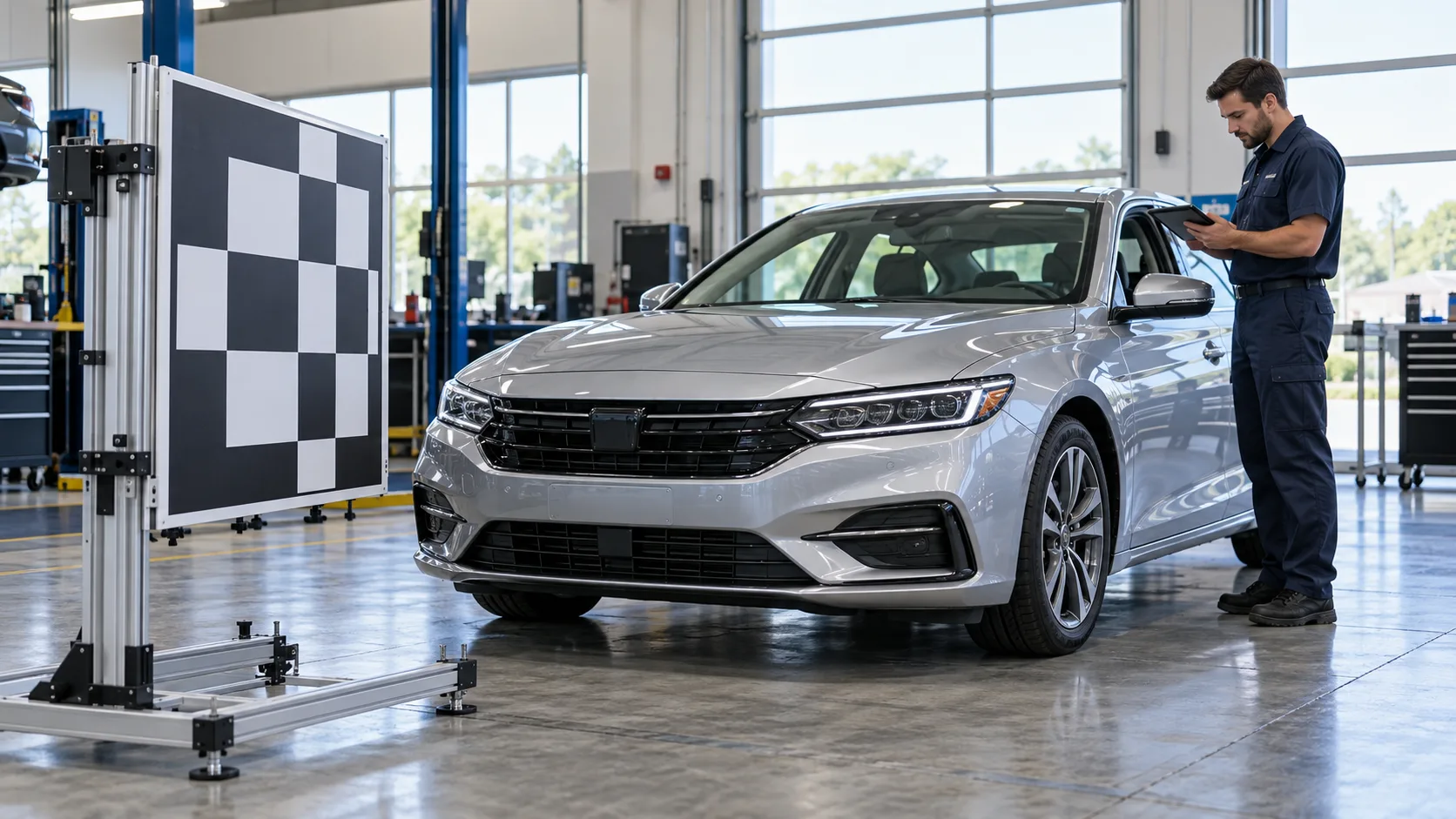
Repairs to the structure must follow the manufacturer's repair specifications or accepted industry specifications under 16 CCR 3365. If the teardown finds damaged sensors or camera mounts, calibration may be needed. Read about ADAS calibration after a collision.
How does hidden damage get added to the insurance claim?
Hidden damage gets added to the insurance claim through a supplement, which is a revised estimate that lists the new parts and labor, backed by teardown photos. The shop sends it to the insurer that is paying for the repair. Supplements are normal when teardown finds more damage and do not mean the first estimate was wrong on purpose.
On a first-party claim, 10 CCR 2695.8(e)(4)(B) says the insurer has six business days after a supplement request to ask that the car be made available for inspection, if it chooses to inspect. If the insurer asks for photos or an estimate instead, it must ask within three business days. The insurer's estimate must still allow repairs to accepted trade standards under 10 CCR 2695.8(f).
The shop also needs your approval before charging more. Business and Professions Code 9884.9(a) bars a shop from charging more than the written estimate unless you consent before the added work is done. If you approve by phone, the shop must record the date, time, your name and the added cost.
Example (hypothetical): A driver's first estimate lists a front bumper cover and a headlamp, and teardown finds a cracked radiator support and a bent radar bracket. The shop photographs the parts, writes a supplement with the added parts, labor and a radar calibration, calls the driver for approval, and sends the supplement to the insurer. The repair pauses until the insurer responds and parts arrive.
What should you do if you suspect hidden damage?
If you suspect hidden damage after a car accident, document what you notice, stop driving if the car is unsafe, and have a registered shop do a teardown inspection before you treat any estimate as final. Use the steps below.
- Write down the symptoms. Note what changed, when it started and when it happens, such as a pull at highway speed.
- Take photos. Photograph warning lights, leaks, tire wear and panel gaps. Our guide to photos and information to get at the scene covers what else to keep.
- Do not drive an unsafe car. Leaks, tire rubbing, a hood that will not latch or brake changes are reasons to tow, not drive.
- Choose a registered shop. You may use any licensed shop under Insurance Code 758.5. Check its registration on the DCA license search.
- Read the teardown estimate before you sign. Check the teardown cost, reassembly cost and reassembly time.
- Ask about the supplement. Ask the shop when it sent the supplement, to whom, and what photos were included.
- Keep every version. Save the first estimate, teardown estimate, supplements and final invoice in one place.
If your rental depends on the repair finishing, ask the shop for its updated timeline after a supplement and share it with the insurer before the rental cutoff. Our guide to a rental car after an accident covers extensions. Collision Assistant requests those extensions ahead of the cutoff for drivers whose claims we coordinate.
Can hidden damage make a car a total loss?
Yes. Hidden damage can push the repair cost high enough that the insurer decides the car is a total loss, and when that happens, the insurer may pay based on the cost of a comparable car under 10 CCR 2695.8(b), instead of paying for the repair. Read how California insurers decide a total loss before you accept a valuation.
Hidden damage that is repaired can also lower the car's resale value. A diminished value claim is usually pursued against the at-fault driver's insurer, and the repair record from teardown and supplements is part of that file.
Common mistakes
Hidden damage mistakes usually come from moving too fast, either on the road or on paper. These five show up often in the claims we coordinate.
- Assuming a small first estimate means small damage. A supplement after teardown is a normal part of the repair, not a sign something went wrong.
- Driving a car that pulls or leaks. A tow is safer than more damage on the road.
- Signing a teardown estimate without reading it. Check the reassembly cost and time before you approve.
- Letting the car wait on a tow lot for an inspection. Storage charges keep adding up until the car reaches the shop.
- Accepting a total loss value too fast. Check the comparable cars before you sign a release.
How Collision Assistant helps
When teardown turns up more damage, Collision Assistant keeps the claim from stalling. Our help is free for drivers and covers these steps:
- Through our body shop recommendation service, we place the car with a vetted shop after checking its active BAR registration, and we match shops to the damage type, including aluminum, EV and driver-assist sensor repairs.
- We coordinate towing for a non-drivable car so it gets to the shop instead of sitting in storage.
- We track supplements, parts delays and completion dates, and follow up with the shop and insurer.
- Through our property damage claim management service, we keep estimates, supplements, photos and invoices under one case number.
A crash does not have to happen in front of you for us to help. Lorena M. from Bakersfield set up her daughter's repair after a parked-car hit without making the drive:
"My daughter's car got hit while it was parked and I was handling it from two hours away. Being able to find a trustworthy shop near her, check it out, and set it up without driving down there myself saved me a whole day off work."
Lorena M., Bakersfield
Whether a supplement is paid is the insurer's decision, not ours or the shop's. You can still take the car to any licensed shop you choose.
Frequently asked questions
Can a minor accident cause hidden damage?
Yes. A low-speed hit can crack a bumper reinforcement, break mounting clips or bend a sensor bracket while the plastic bumper cover looks fine, and on newer cars with sensors near the bumpers, even a light hit can affect driver-assist features. If anything drives, sounds or looks different, ask a registered shop to inspect behind the panels before you accept an estimate.
Will insurance pay for hidden damage found later?
If the hidden damage came from the covered crash, the shop sends it to the paying insurer as a supplement, and the insurer decides coverage and payment. On a first-party claim, the insurer has six business days after a supplement request to ask to inspect the car if it chooses to. Teardown photos linking the damage to the crash make the supplement easier to review.
Do I have to pay for the teardown?
A teardown has a cost, and 16 CCR 3353(c) requires the shop to tell you that cost in writing before it starts. When a claim is open, the teardown is often part of the repair the insurer reviews. If you decline the repair after teardown, the shop notes that on the teardown invoice and reassembles the car within the time stated on your teardown estimate.
Can the shop start supplement repairs without my approval?
No. Under Business and Professions Code 9884.9, a shop must get your consent before charging more than the written estimate, and it must get that consent before doing the added work. You can also name someone in writing to approve added work for you, but that person cannot be the shop, an insurer involved in the claim, or their employees or agents.
What if I find a problem after the repair is finished?
Some hidden damage only shows itself after pickup, such as a new pull or a rattle near the repaired area. Write to the shop with photos and ask it to look again, and if that does not solve it, California's Bureau of Automotive Repair can inspect the repair at no cost. Our post-repair inspection checklist explains how to request that inspection.
Should I see a doctor if the car had hidden damage?
A crash strong enough to bend hidden parts can also cause injuries that show up later. MedlinePlus notes that whiplash pain may take hours to weeks to develop. This is not medical advice: get checked by a doctor if you have pain, headache or stiffness, and read about delayed injury after a car accident.
Think your car has hidden damage after a car accident? Collision Assistant can get it in front of a registered shop for a teardown inspection, free for drivers. Get a free quote or call 562-800-6904.
This article is general information, not legal, insurance or medical advice. Collision Assistant is not a law firm, insurer or medical provider.