Dealership vs Body Shop for Collision Repair in California
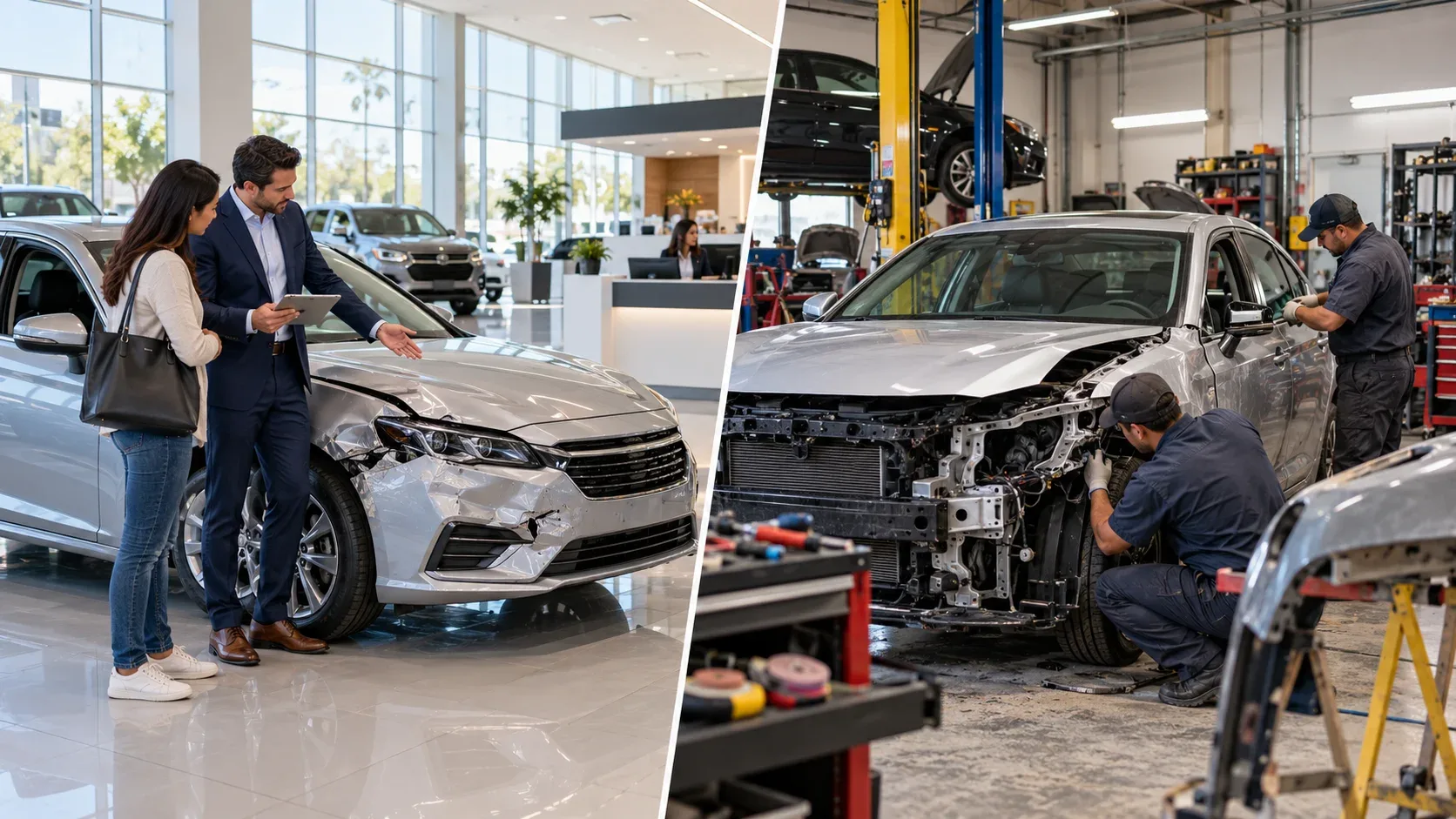
The dealership vs body shop decision depends on the facility’s collision repair capabilities, your vehicle, and the work required. Compare manufacturer-specific qualifications, written estimates, outside services, and warranty terms. A dealership connection alone does not establish repair quality, and an independent shop can hold manufacturer collision repair certification.
If you are deciding where to repair your car after an accident, start by identifying the business that will actually perform the work. A dealership service department, a dealership-owned body shop, and an outside collision center are different arrangements.
Collision Assistant helps California drivers connect with vetted collision repair shops. This guide explains how to compare the options without assuming that one business type is always better. For the broader repair process, read our guide to collision repair in California.
Dealership vs Body Shop at a Glance
Compare each facility’s documented capabilities and proposed work. Ownership describes the business arrangement, while qualifications and the repair plan help you evaluate its fit for your vehicle.
For a dealership vs body shop comparison, separate three questions: who owns the business, what it is qualified to do, and who will perform each repair operation. One answer does not establish the other two.
|
Comparison Point |
Dealership-Associated Option |
Independent Body Shop |
What to Verify |
|
Actual repair facility |
Ask whether the dealership operates the body shop or refers work elsewhere |
Confirm the named location will handle the job |
Repair address and business name |
|
Vehicle-specific qualifications |
Verify collision credentials separately from the sales or service relationship |
Check any claimed manufacturer collision certification |
Current recognition for the relevant location |
|
Parts |
Request the proposed parts list |
Request the proposed parts list |
Part type, condition, and applicable procedures |
|
Scans and calibration |
Identify any outside providers |
Identify any outside providers |
Who performs each operation and supplies records |
|
Cost |
Obtain an itemized estimate |
Obtain an itemized estimate |
Differences in scope, parts, and charges |
|
Warranty |
Identify the business backing the promise |
Identify the business backing the promise |
Written coverage, exclusions, and claim process |
Neither column establishes a winner. A specific facility should earn your confidence through answers you can check.
What Is the Difference Between a Dealership and a Body Shop?
A dealership sells vehicles and may also provide service or collision repairs. A body shop focuses on damaged bodywork and related collision operations. Confirm which services the particular location offers before arranging a repair.
Do not assume that booking through a service advisor means the dealership’s employees will repair the vehicle. Ask whether the work stays at that location and which business will issue the repair paperwork.
Where Does a Franchise Collision Center Fit?
A franchise collision center operates under a shared brand through a franchise arrangement. The brand name alone does not tell you whether that location holds a particular vehicle manufacturer’s collision certification.
When reviewing dealership vs independent auto body options, include franchise locations in the same comparison. Ask about the local facility’s qualifications, the proposed work, and the warranty provider rather than relying on the network name.
Does a Dealership Connection Mean Manufacturer Certification?
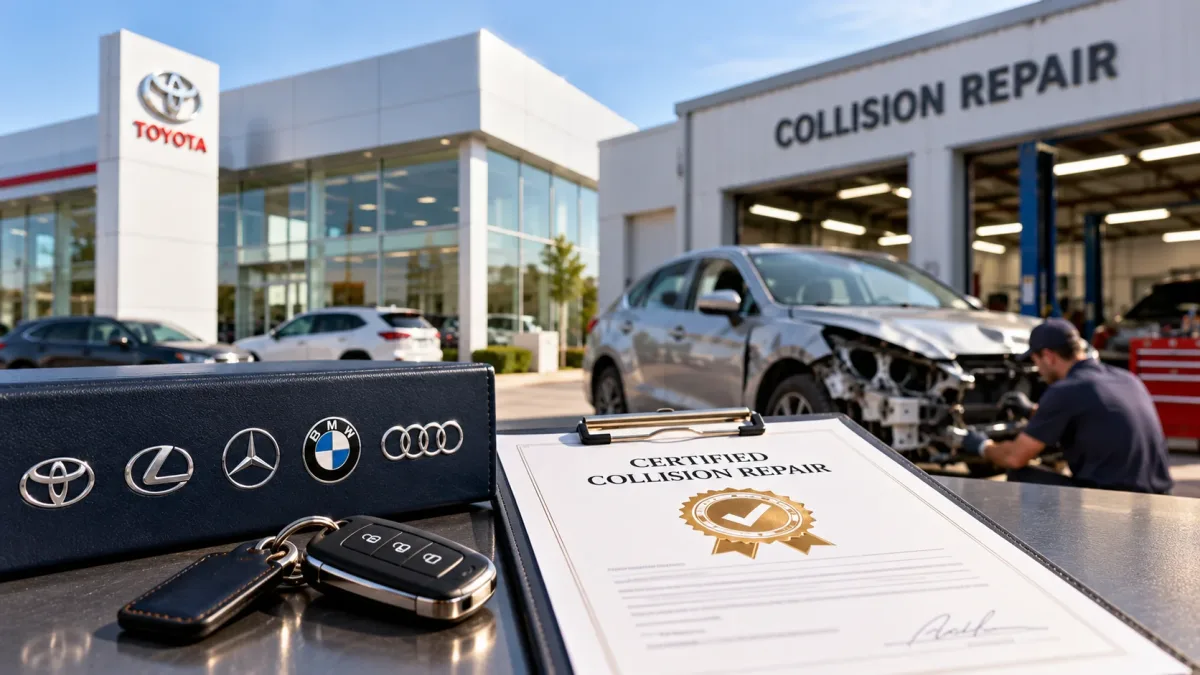
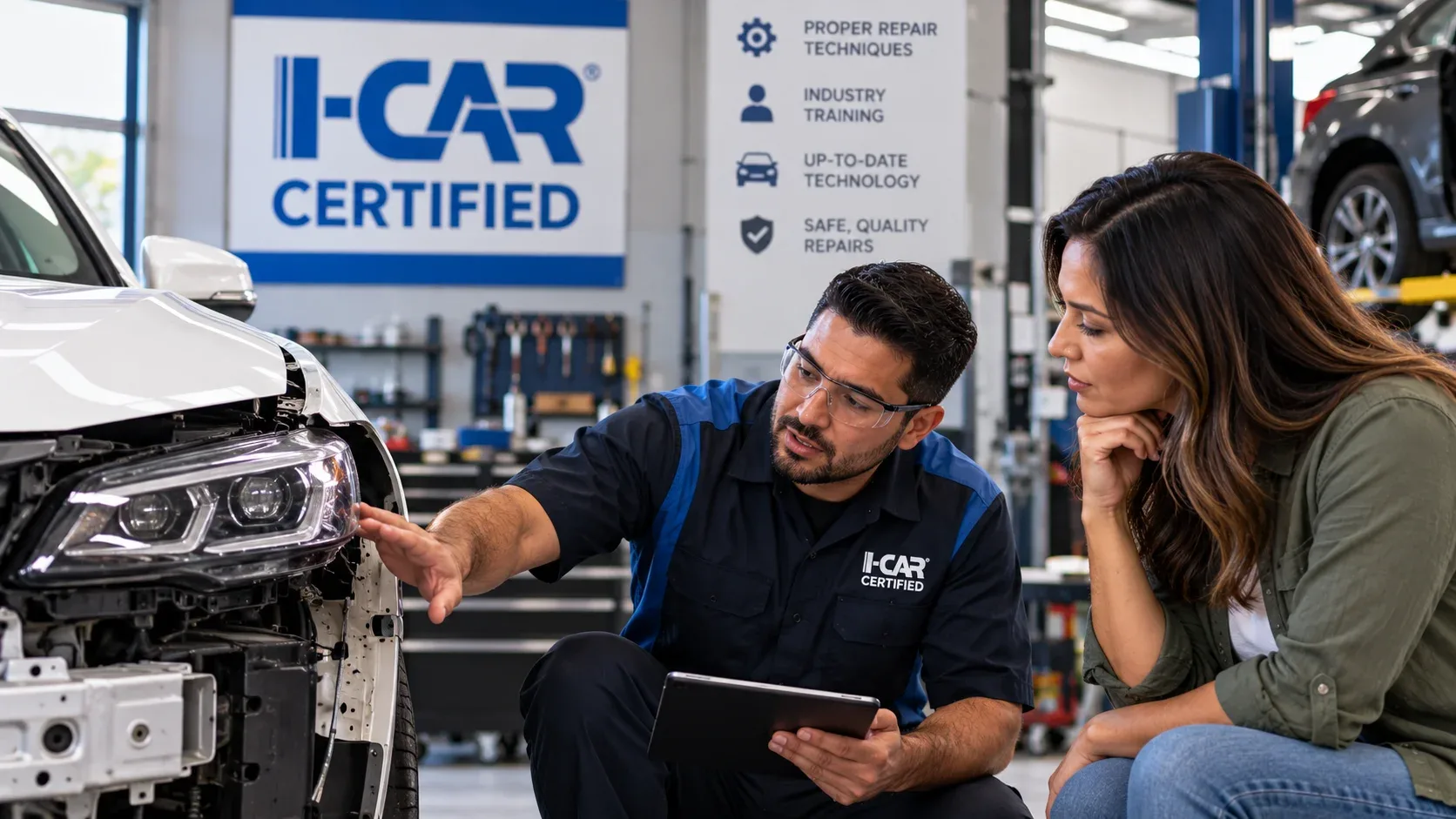
A dealership relationship and manufacturer collision repair certification are different things. Verify the collision facility’s current recognition for your make instead of treating the dealership name as proof.
Nissan’s collision repair network, for example, expressly accepts independent facilities and describes its focus on tools, equipment, and training. Its locator distinguishes dealer certified collision centers from other certified collision centers. That example shows why independent ownership does not rule out manufacturer recognition.
Ask each candidate to identify the certification it holds and where you can verify the listing. Also ask whether any model, material, or repair limitation affects your vehicle.
Treat recognition as useful evidence to investigate. You still need a clear explanation of the work proposed for your car.
Who Is Responsible If Work Goes to Another Shop?
In California, the repair business you authorize remains responsible for sublet repairs as though it performed them itself. Sending work to another business does not remove that responsibility.
The California Bureau of Automotive Repair, or BAR, explains in Write It Right, updated January 2026, that sublet work requires customer consent and a statement with the estimate. If you ask, the repair business must disclose the outside facility’s name and location.
Before authorizing work, establish:
-
Which operations will happen elsewhere.
-
Whether your vehicle will move between locations.
-
Who will provide updates and explain added charges.
-
Who will collect the outside provider’s completion records.
-
Where you should report a problem afterward.
Is an Independent Body Shop Always Cheaper or Faster?
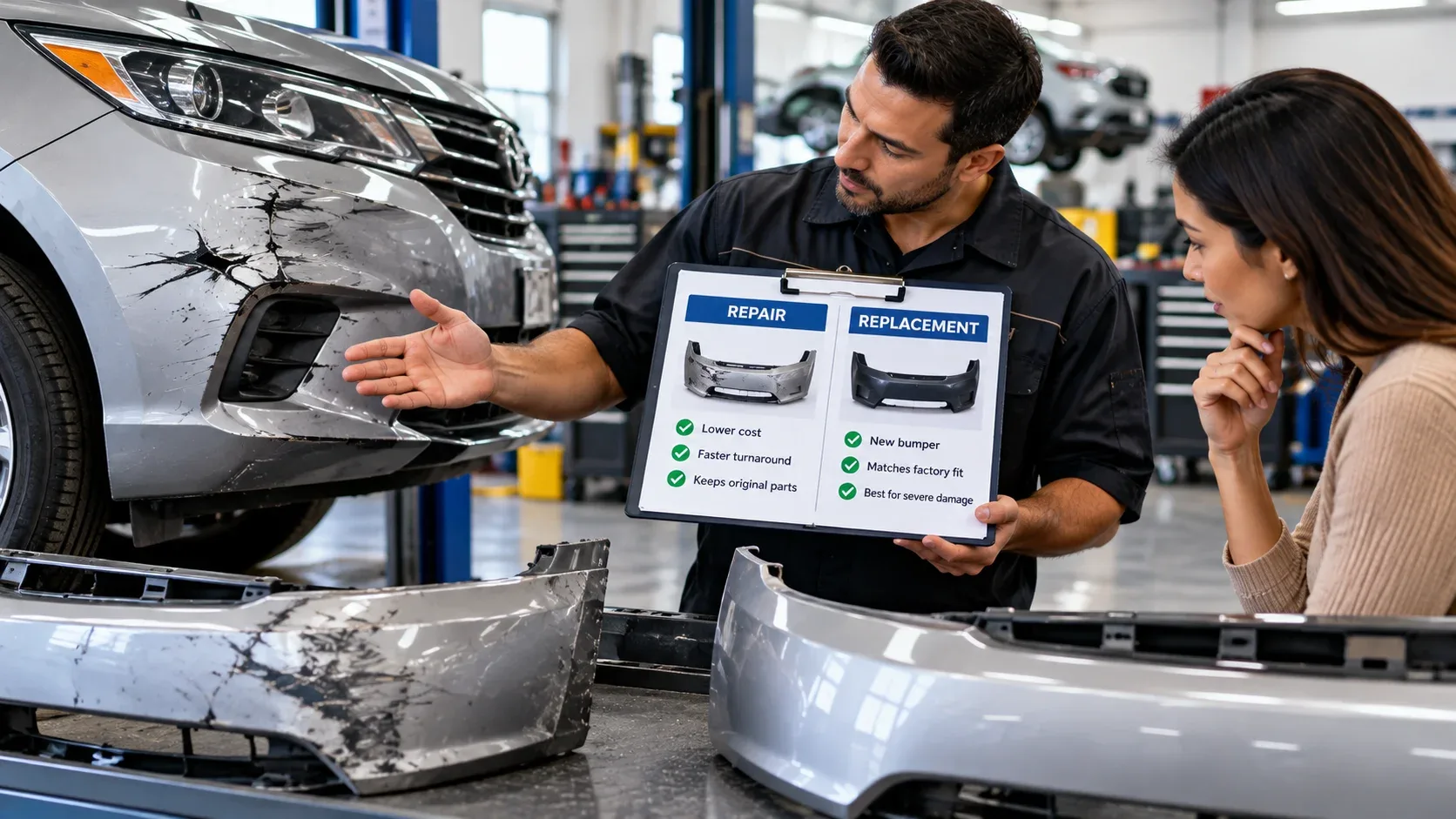
Do not assume either option will cost less or finish sooner. Compare estimates for the same proposed work and ask each facility what its schedule depends on.
The California Department of Insurance’s Auto Body Repair Consumer Bill of Rights identifies your right to an itemized written estimate and a detailed final invoice. Use those documents to compare the repair, rather than treating the business category as a price guide.
Ask the estimators to explain differences involving:
-
Repairing a panel versus replacing it.
-
New, used, or aftermarket parts.
-
Paint operations and materials.
-
Diagnostic work and outside services.
-
Inspection or disassembly needed before the scope is confirmed.
Our guide to reading a collision repair estimate explains the line items in more detail.
For timing, separate the appointment date from the expected completion date. Ask what must happen before work starts and what could change the schedule. Get an explanation of the assumptions behind the date.
How Should You Compare Parts, Scans, and Calibration?
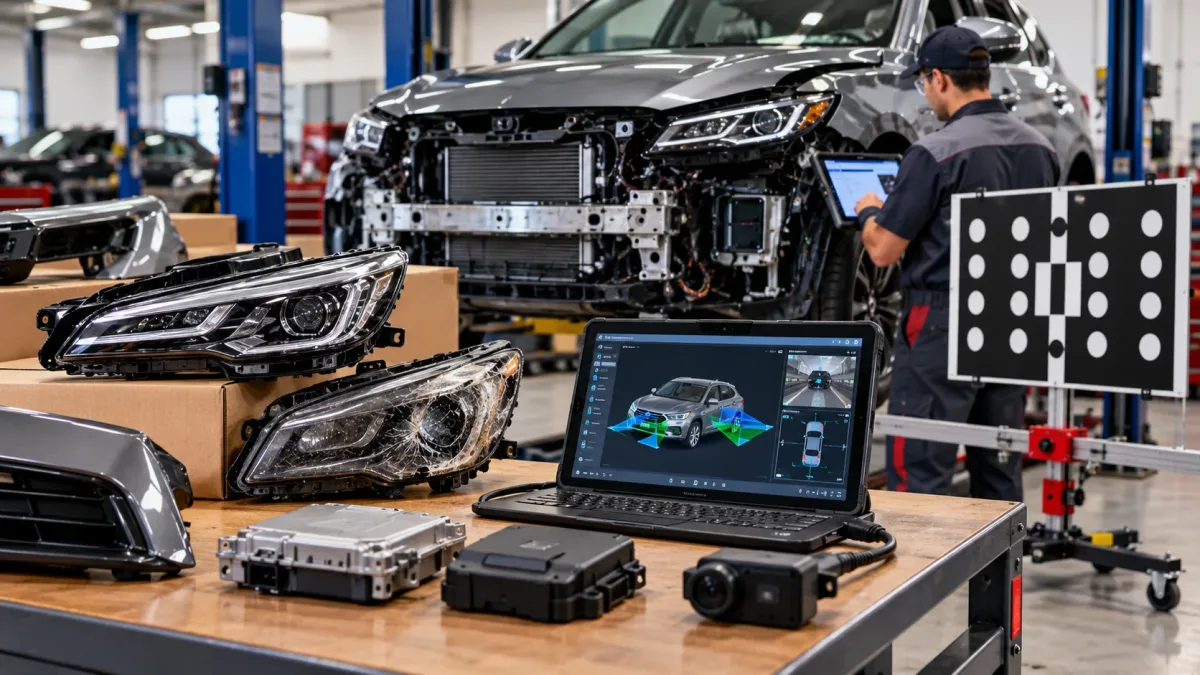
Ask both facilities to explain the parts and procedures proposed for your exact vehicle. A dealership label or independent ownership does not answer those questions.
Request a parts list and ask the estimator to explain unfamiliar descriptions. Our comparison of OEM and aftermarket collision parts provides background for that discussion.
For diagnostic and driver-assistance work, ask:
-
Which manufacturer procedures apply to this repair?
-
What scans, inspections, or calibration steps does the plan include?
-
Who performs those steps?
-
What records will be provided at pickup?
The shop should explain the vehicle-specific requirements. Our guide to ADAS calibration after a collision explains the terms so you can follow that conversation.
Will an Independent Repair Void Your Vehicle Warranty?
Using an independent repair business does not automatically cancel your vehicle warranty. The Federal Trade Commission distinguishes choosing another repairer from damage caused by defective parts or improper installation.
The FTC’s auto warranty guidance explains that a manufacturer can require designated facilities for work provided free under the warranty. It also explains that coverage for damage caused by a defective aftermarket or recycled part, or improper installation, can be denied under the stated conditions.
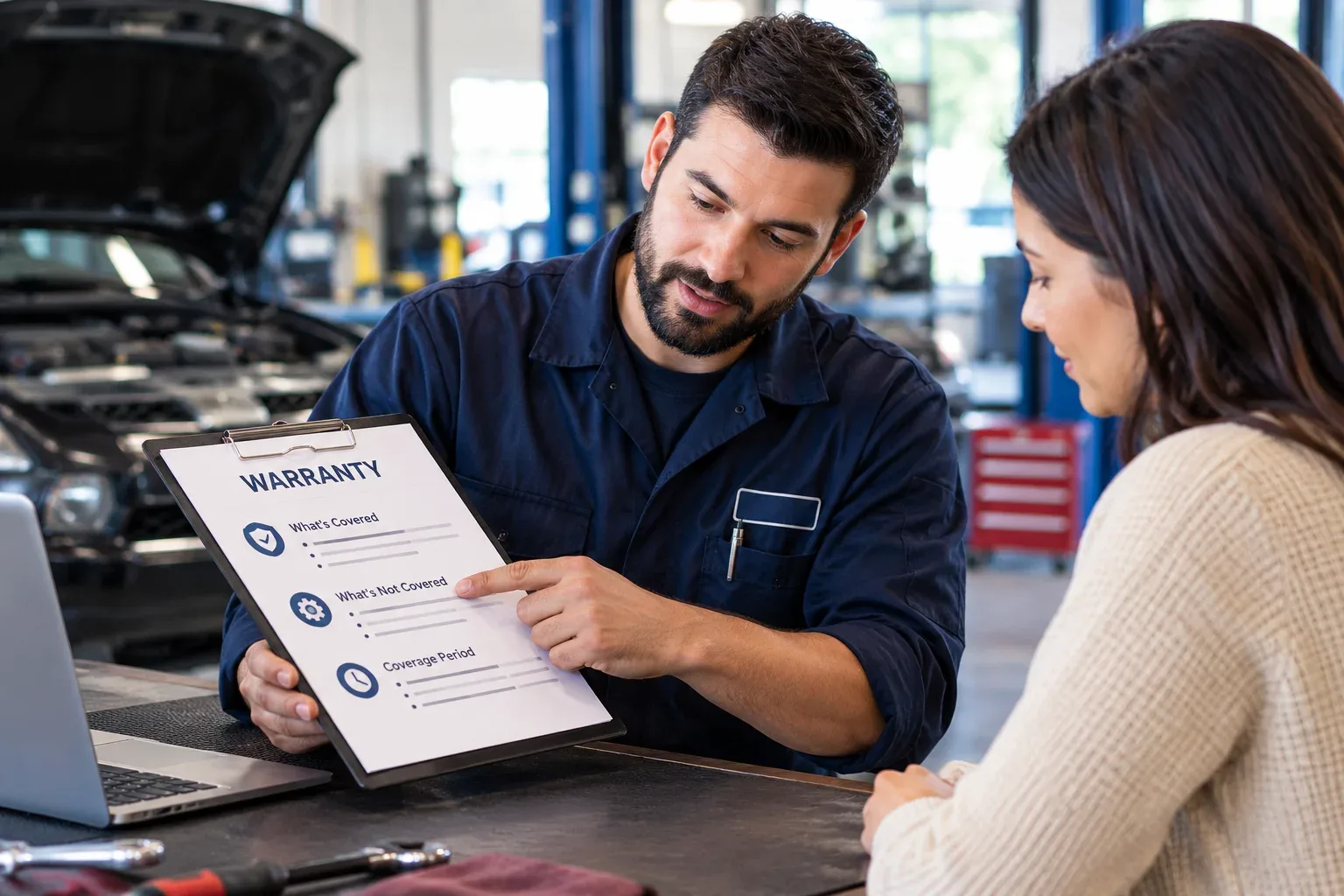
Separate the vehicle’s existing warranty from any workmanship or paint warranty offered for the collision repair. Ask who backs the repair warranty, what it covers, and where you must take the car if a problem develops.
For the dealership vs body shop comparison, request the actual terms from each business.
Can Your Insurer Decide Which Option You Use?
California insurers cannot require you to use a particular repair shop. The California Department of Insurance explains that right in its guide to handling an auto accident.
Your choice of shop and the insurer’s payment decision are separate questions. Before authorizing disputed charges, ask the shop and insurer to identify the disagreement and explain any potential amount you would owe.
Collision Assistant can help match your vehicle and damage with a vetted California shop and arrange the estimate. You retain the final choice, and insurers determine coverage and payment. We do not perform the repairs.
Which Option Should You Choose?
Choose the facility that can explain and document its suitability for the repair. Use the same standard whether you are considering a dealership-owned shop, an independent business, or a franchise location.
A dealership-owned collision center may suit you if you verify its relevant capabilities and prefer its service arrangement. An independent or franchise shop may suit you if its qualifications, repair plan, communication, and written terms better fit your needs.
Before deciding:
-
Check the facility’s registration and disciplinary history using BAR’s consumer resources.
-
Verify claimed manufacturer collision recognition.
-
Compare estimates and resolve unexplained differences.
-
Identify outside providers and your main contact.
-
Read the warranty and clarify potential personal charges.
Hypothetical example: A dealership offers to accept your car but identifies an outside body shop for the repairs. Another shop offers to handle the job directly. Compare the actual repair locations, proposed work, communication arrangements, and written terms before choosing either route.
Make Your Decision With the Repair Plan in Hand
Your dealership vs body shop decision should rest on verified qualifications, an understandable estimate, clear responsibility, and written terms. Keep the documents together so you can refer to what you approved.
If you want help finding a suitable California facility, request a body shop recommendation from Collision Assistant. Our referral and coordination are free for drivers. Vehicle repairs and outside charges are separate.