Not at Fault Accident in California: What It Means for Your Claim
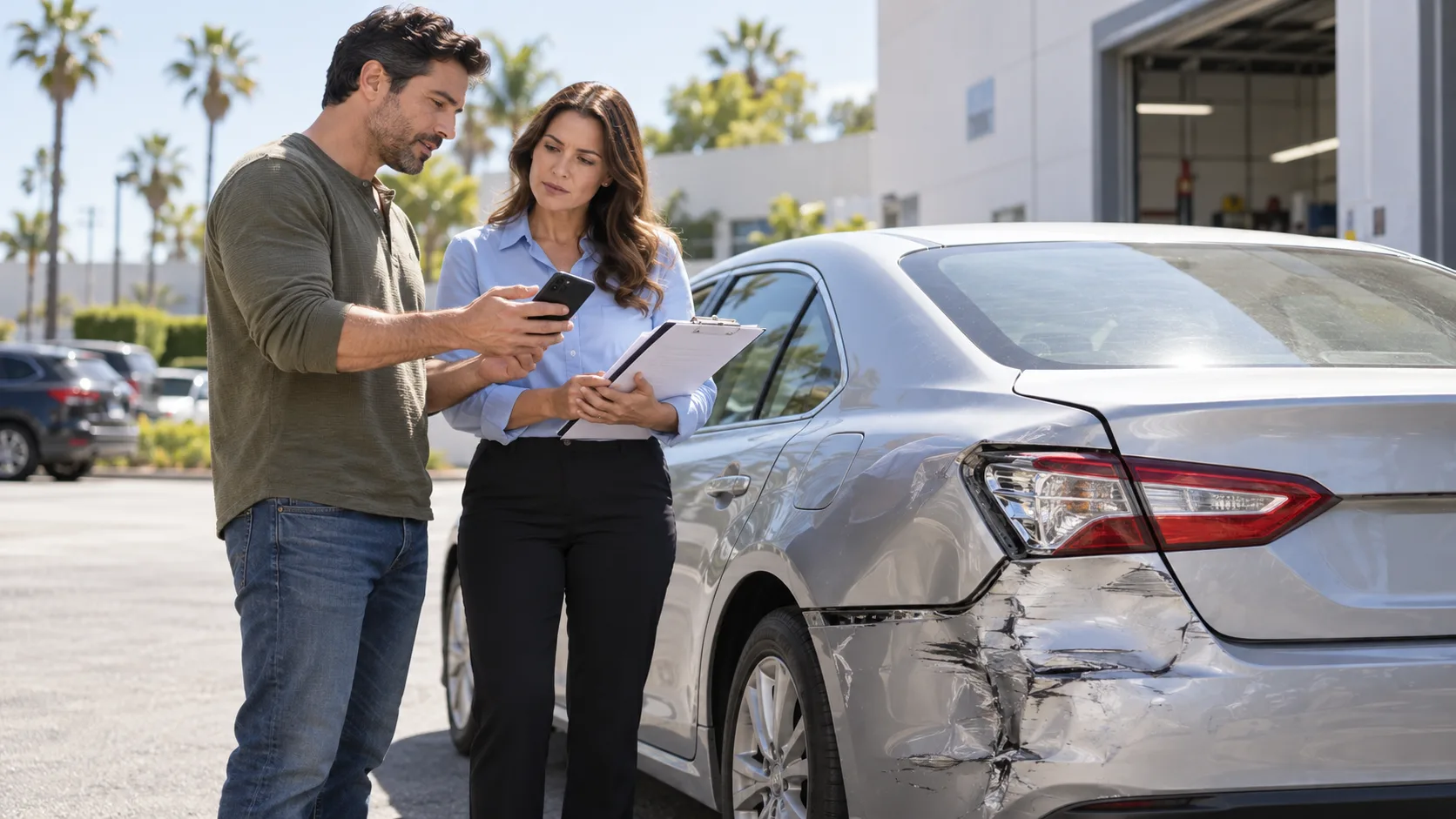
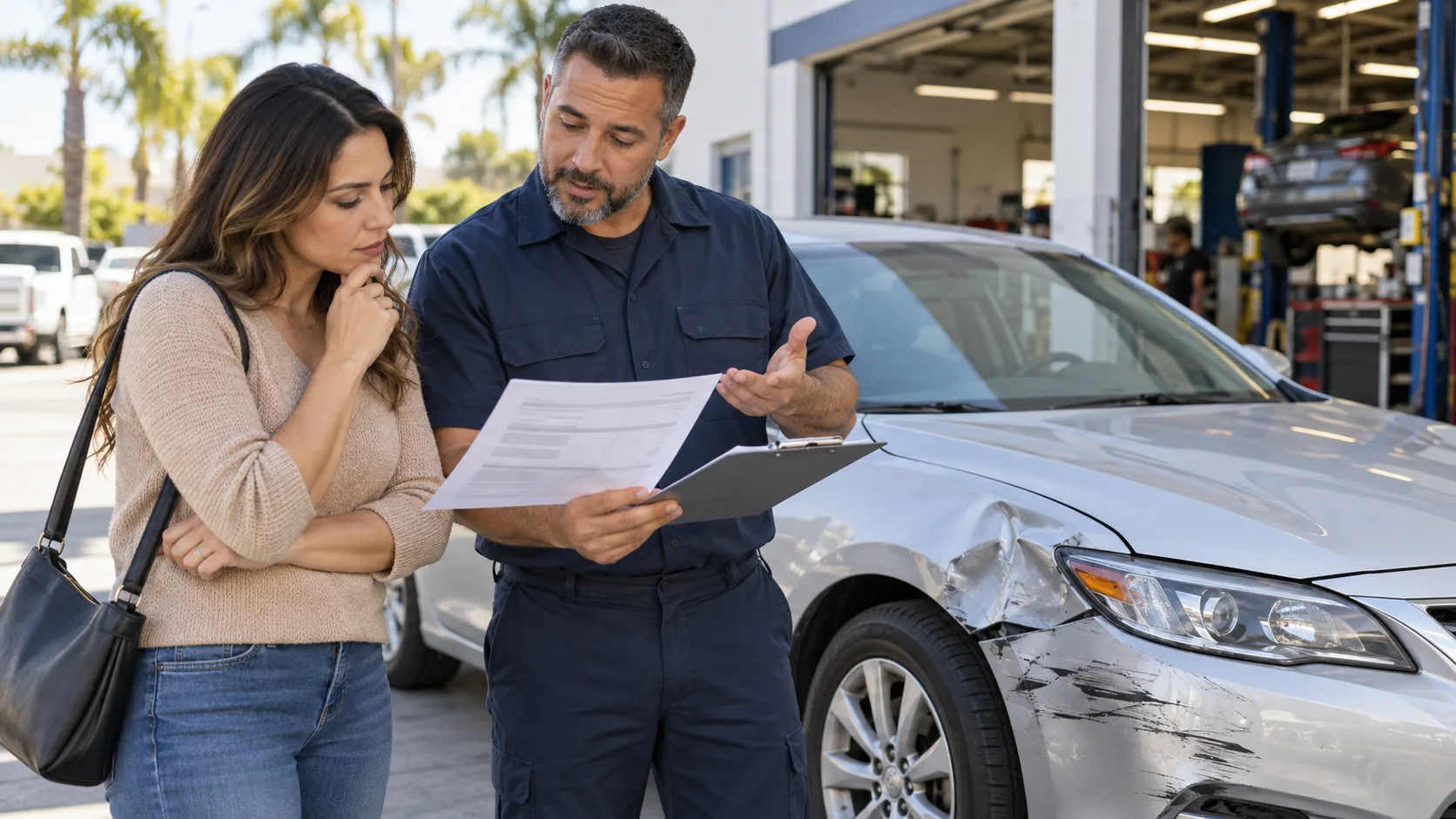
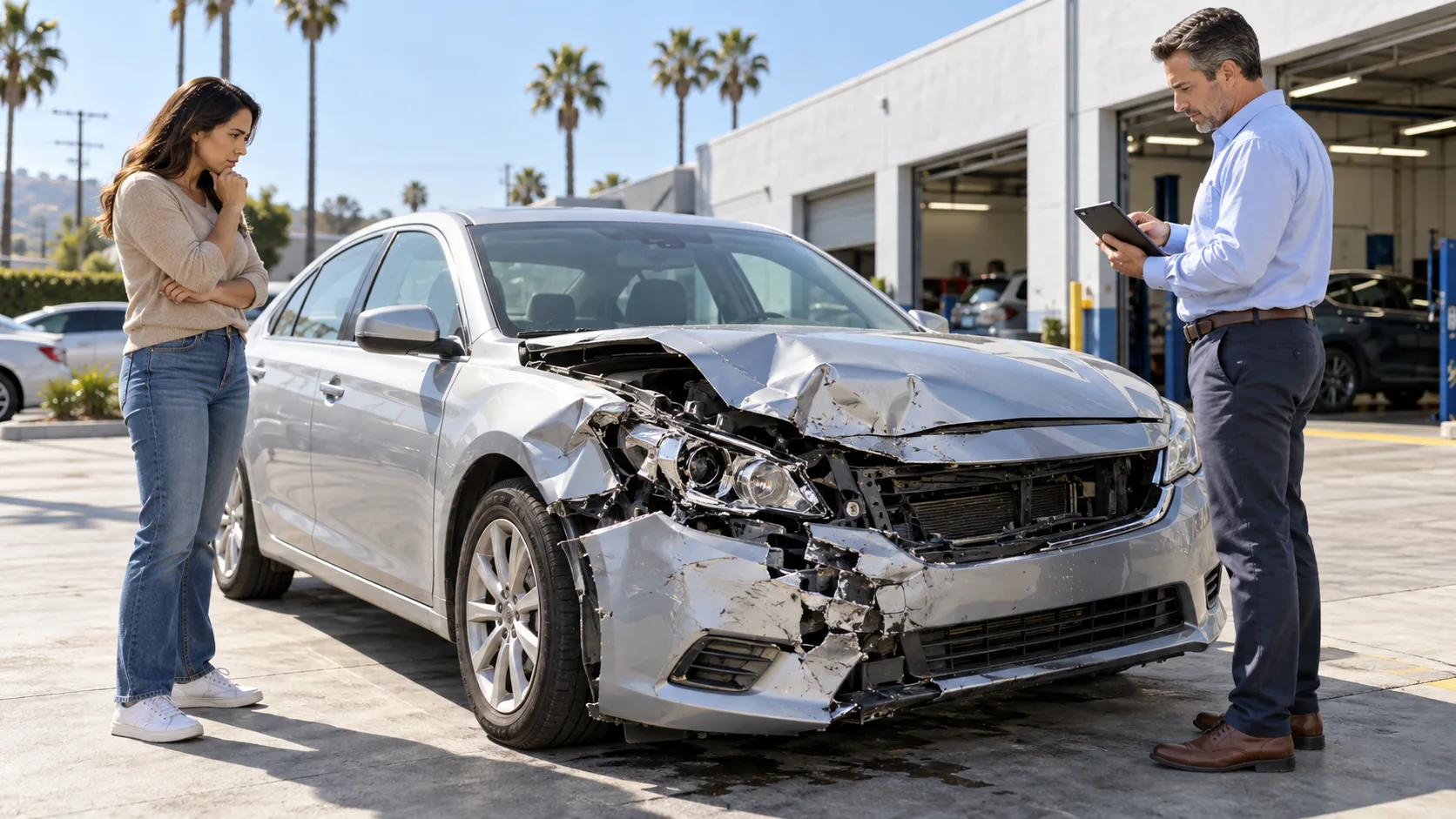
A not at fault accident in California means another driver caused the crash, so that driver's liability insurer is generally responsible for your vehicle damage. California is an at-fault state that uses pure comparative fault, so if you share some blame, your recovery is reduced by your percentage of fault instead of being wiped out. You can claim against the other driver's insurer, or use your own collision coverage and ask your insurer to recover your deductible.
Being not at fault does not make the claim automatic. Collision Assistant coordinates property damage claims for California drivers, and the delays we see most on not-at-fault claims come from waiting on the other insurer's liability decision while the car, the rental and the storage bill sit still.
This guide explains how fault works in California, which coverage to use, how deductible recovery works, and what happens when the other driver is uninsured.
What does a not at fault accident mean in California?
A not at fault accident in California means another driver's negligence caused the crash and you did not contribute to it. California is an at-fault state, so the driver who caused the crash, and that driver's liability insurer, is generally responsible for the damage.
California sets minimum liability limits that the at-fault driver's policy must carry. For policies issued or renewed on or after January 1, 2025, Vehicle Code 16056 requires at least $15,000 for property damage, up from $5,000 before SB 1107.
How California comparative fault works
California uses "pure" comparative fault, adopted in Li v. Yellow Cab Co. (1975) 13 Cal.3d 804. Under the CACI 405 jury instruction, a claimant's damages are reduced by their percentage of responsibility for the harm.
Example: in a hypothetical crash with $10,000 in vehicle damage where you are found 20 percent at fault, your recovery from the other driver would be reduced to $8,000. A common myth is that any fault at all means you get nothing. Under pure comparative fault, a share of fault reduces the recovery instead.
Who pays for car repairs when you are not at fault?
When you are not at fault, the other driver's liability insurer is generally responsible for your repairs once it accepts liability. You can also use your own collision coverage, which may get repairs started sooner while the other insurer investigates. The table below compares the main options.
| Option | Who pays first | Your deductible | Main limit |
|---|---|---|---|
| Third-party claim | The at-fault driver's liability insurer | None on the third-party claim | The at-fault driver's property damage limit; minimum $15,000 under Vehicle Code 16056 |
| Your own collision coverage | Your insurer | You pay it first; your insurer must include it in any subrogation demand under 10 CCR 2695.7(q) | Your policy terms |
| Uninsured motorist property damage (no collision coverage) | Your insurer | No fixed amount in the statute; check your policy | Lesser of actual cash value or $3,500 under Insurance Code 11580.26 |
| Collision deductible waiver (with collision coverage) | Your insurer | Waived in a crash with an identified uninsured driver | Capped at $3,500 under Insurance Code 11580.26 |
Making a claim against the other driver's insurer
A third-party claim is made against the at-fault driver's liability coverage, so there is no deductible on your side. The tradeoff is time. Under 10 CCR 2695.7, an insurer has 40 calendar days after proof of claim to accept or deny, and it must explain in writing every 30 calendar days if it needs more time.
A third-party claim also covers more than the repair. Loss of use, explained in our guide on a rental car after an accident, and lost market value, explained in our guide to a diminished value claim, are both made against the at-fault driver's insurer.
Using your own collision coverage and getting your deductible back
Using your own collision coverage means you pay your deductible first, and your insurer can then seek repayment from the at-fault driver's insurer through subrogation. Under 10 CCR 2695.7(q), an insurer that makes a subrogation demand must include your deductible in that demand.
The same rule requires your insurer to share subrogation recoveries with you on a proportionate basis. It may deduct expenses from your deductible recovery only when it has hired an outside attorney or collection agency, and then only a pro rata share of allocated loss adjustment expense. If you are found partly at fault, the amount recovered from the other insurer may be reduced by your share of fault.
Will a not at fault accident raise your insurance rates?
A not at fault accident should not raise your rates in California. The California Department of Insurance auto guide says that if the accident is not your fault, your insurance company does not charge you more. It adds that if you are at least 51 percent at fault, your premium can go up when you renew.
California's rating regulation, 10 CCR 2632.13, sets the "principally at fault" line at 51 percent of the legal cause. It also presumes a driver is not principally at fault in some situations, such as being lawfully parked or being rear-ended without a moving violation conviction. The same presumption applies when a hit-and-run driver hits you and the crash was reported to legal authorities within a reasonable time.
If your insurer decides you were principally at fault, 10 CCR 2632.13(e) requires written notice with the basis for the finding, and you may ask for reconsideration within 30 days.
What if the at-fault driver has no insurance?
If the at-fault driver has no insurance, your own policy is where vehicle damage is usually paid. Under Insurance Code 11580.26, uninsured motorist property damage pays collision damage up to the lesser of your car's actual cash value or $3,500 when your policy has no collision coverage. It does not pay for loss of use or personal property in the car.
Uninsured motorist property damage has strict conditions. Insurance Code 11580.26 requires actual physical contact, an identified owner or driver or a vehicle identified by license number, and a report to your insurer within 10 business days. Our guide on what to do after a hit and run covers crashes where the other driver drives off.
Steps to take after a not at fault accident
These steps protect a not-at-fault property damage claim from the first day.
- Exchange information and take photos at the scene; our guide to photos and information to get at the scene lists what to capture.
- Get the police report number if officers responded, and the other driver's insurer and policy number.
- File an SR-1 with DMV within 10 days if damage to any one person's property exceeds $1,000 or anyone is hurt, regardless of fault, under Vehicle Code 16000.
- Report the crash to your own insurer, and open a claim with the other driver's insurer.
- Decide whether to wait for the other insurer's liability decision or start repairs under your own collision coverage.
- Choose your repair shop. Under Insurance Code 758.5, no insurer may require repairs at a specific shop.
- Keep every estimate, supplement, invoice, rental record and message in one folder.
Common mistakes after a not at fault accident
- Assuming not at fault means automatic payment. The other insurer still has to accept liability, and it has up to 40 calendar days after proof of claim under 10 CCR 2695.7.
- Waiting with the car at a tow yard. Storage keeps building while fault is decided, so move the car to a shop.
- Skipping the SR-1. The DMV report is required regardless of fault when the Vehicle Code 16000 thresholds are met.
- Going with the first shop online. Compare quality before you choose, as one driver found.
- Signing a release too early. A release can close the property damage claim before loss of use or diminished value is raised.
"I almost went with the first shop that popped up on Google. Glad I didn't, that one had some rough reviews I only saw because Collision Assistant had them side by side with two others. Went with a higher-rated one a few miles further out. Worth the extra drive."
Kevin B., Modesto
How Collision Assistant helps
Collision Assistant coordinates the repair side of a not-at-fault claim, so the car keeps moving while the insurers sort out liability. Through our property damage claim management, we:
- Record both claim numbers, the police report number and your photos at intake, and note which coverage the repair runs through.
- Recommend a shop from our vetted network on request through our free body shop recommendation, after confirming its Bureau of Automotive Repair registration. You can still pick any licensed shop instead.
- Line up a rental with whichever insurer is paying, and ask for more rental days before the cutoff if fault is still being decided.
- Track supplements, parts and completion dates, and prepare a diminished value estimate on third-party claims.
- Keep everything in one file under one case number, with status updates until you have your keys back.
The service is free for drivers. The insurers decide liability and payment; Collision Assistant coordinates, documents and follows up.
Getting Back to Normal After Someone Else's Mistake
None of this is how you wanted to spend your month. The reassuring part is that California gives drivers real protection when someone else is to blame, from rate rules to claim deadlines to your right to pick the shop. Knowing they exist is most of the battle, since hardly any of it gets volunteered to you.
When you're ready to deal with the car itself, we'll help you find and connect with a vetted, verified California repair shop and request a repair quote, all for free. Someone else caused this. The least we can do is make the repair part simple. Reach out through our site whenever you're ready.